

On This Page
Medically reviewed by Dr. David Biro, MD, PhD - Board-Certified Dermatologist | 30+ Years Experience | Last Updated: March 2026
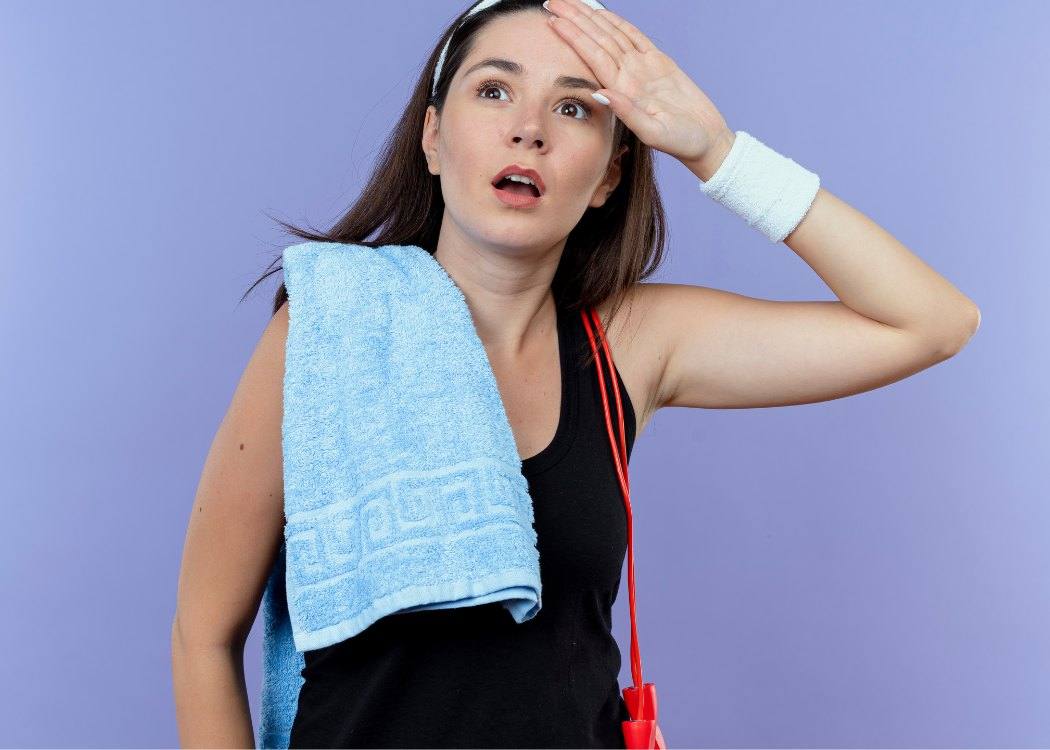
Getting Botox can be a quick and effective way to refresh your appearance, but you might wonder how it impacts your workout routine. Proper post-botox care is vital to help the treatment work as intended. Although the exercise restrictions following Botox are relatively short, adhering to them is crucial for optimal results.
At kalon Dermatology, our experts provide personalized guidance to help you seamlessly return to your active lifestyle while ensuring the best possible treatment outcome.
When Does the Exercise Restriction Lift?
After receiving Botox, it’s important to give your body time to adjust. It is generally advised to wait at least 24 hours before resuming light exercise. For more intense activities like running or weightlifting, it’s best to wait 48 hours.
This precaution reduces the risk of swelling, bruising, or possibility of Botox moving to unintended areas, which could affect your outcome.
Will Exercising After Botox Affect the Results?
Yes, exercising too soon after Botox can affect its effectiveness and outcome. Here’s why it’s crucial to follow the recommended guidelines:
The risk of significant movement is minimal. After a Botox procedure, the botulinum toxin starts binding to the nerve endings in the treated areas within a few hours. Once that process is complete the potential for movement is very low.
Exercise naturally increases blood flow, which may cause irregular Botox spread from the targeted muscles. This could affect its effectiveness and shorten its longevity.
High-intensity or repetitive physical activities can activate facial muscles unintentionally, potentially interfering with the Botox’s impact at the sites.
Research indicates that intense physical activity may influence the longevity of Botox effects. Higher activity levels were linked to Botox wearing off faster compared to low or moderate exercise.
To maintain your results and maximize your treatment’s benefits, it’s best to avoid workouts during the recommended recovery period.
Botox Workout Timeline by Activity
Different exercises have different impacts on facial blood flow and head position, so the safe wait time varies by activity. Use this timeline as a starting point and adjust based on how strenuous your workout typically is.
The 24-hour rule covers about 90 percent of patients. The longer waits matter most for activities that combine heat, sweat, and facial blood flow, where the migration risk is highest.
What Types of Exercises Should You Try After Botox?
Once your provider approves, it’s best to start with low-intensity activities that are gentle on your body and avoid unnecessary strain on the face or head. Here are some safe and beneficial options:
Avoid exercises that involve excessive bending or rapid movements that could affect the Botox’s placement. These precautions help ensure your treatment remains effective and deliver the results you’re aiming for.
What Types of Exercises Should You Avoid Immediately After Botox?
To protect your results, steer clear of these activities for the first 24–48 hours.
Hot Yoga, Saunas, and Steam Rooms After Botox
Hot environments deserve their own conversation. Hot yoga, saunas, steam rooms, and very hot showers all increase facial blood flow and can encourage Botox to migrate beyond the targeted muscle. Wait at least 48 hours before any of these. For the most cautious patients, especially those who had glabellar (between-the-brow) Botox, we recommend waiting 72 hours.
kalon Dermatology: Expert Botox Care You Can Trust
At kalon Dermatology, we are committed to offering expert care and guidance to ensure the best Botox experience. We take the time to listen, address your concerns, and provide Botox options tailored to your lifestyle.
After your treatment, our team will provide personalized guidance to help you resume your active lifestyle and incorporate exercise safely and confidently as soon as possible.
Have more questions about Botox aftercare? Book your consultation with kalon Dermatology today to speak with our experts and ensure you’re fully prepared to enjoy your refreshed appearance.
Botox in Brooklyn, Bay Ridge, and Staten Island
kalon Dermatology offers Botox at three locations: Brooklyn (2792 Ocean Ave, Sheepshead Bay), Bay Ridge (9921 4th Ave), and Staten Island (2131 Richmond Rd). Our team of board-certified dermatologists and licensed injectors provides personalized post-Botox guidance, including activity timing tailored to your treated areas. To schedule a Botox consultation, visit our Botox service page or call 833-635-2566.
Frequently Asked Questions
Can I do facial exercises after Botox?
Facial exercises are generally unnecessary as Botox naturally integrates into the treated muscles.
Can I use sauna or steam rooms after Botox?
To protect your results, it’s best to avoid saunas or steam rooms for 24–48 hours post-treatment. Excessive heat may affect its effectiveness or cause swelling.
Can Botox migrate after the exercise restriction period?
It’s very rare but possible. We recommend avoiding strenuous activities for at least 24 hours to prevent any possible Botox migration. Again Botox migration following exercise is highly unlikely but other side effects of strenuous exercise are. Your provider can recommend further precautions if necessary.
Disclaimer: This article is for informational purposes only and is not a substitute for professional medical advice, diagnosis, or treatment. Always consult a qualified healthcare provider with any questions about a medical condition.
About Author
Admin
Recent Post
Good to Know
Frequently Asked Questions
Keep Reading
Popular Articles
Expertise You Can Trust
Meet Our Expert Team
More than 75 years of combined dermatology and medical experience. Click any provider to read their background.
Disclaimer: This information is provided for educational purposes and is not a substitute for professional medical advice, diagnosis, or treatment. Please schedule a consultation with our team to discuss your individual needs.
Start Here
Reveal Your Best Self
Book your consultation today and learn how our experienced team can support your skin care goals.