

Medical Dermatology
Eczema Treatment in Brooklyn and Staten Island
For eczema that keeps flaring back. Our dermatologists find what is setting it off and match the treatment to the cause, from barrier repair to biologics, for both adults and children.
"Very professional doctor! Knew what had to be done with skin rash right away. It was gone in about a week time, highly recommend"
On This Page
Quick Facts
At a Glance
Condition
Chronic inflammatory skin condition with itching, dryness, and rash
Common Types
Atopic, contact, dyshidrotic, nummular, and seborrheic
Provider
Dr. David Biro, MD, PhD, board-certified dermatologist
Diagnosis
In-office skin evaluation combined with patient and trigger history
Treatments
Topical steroids, biologics like dupilumab , barrier repair, and trigger avoidance
When to Seek Care
Persistent itch, sleep disruption, signs of infection, or treatment plateau
Find Your Path
Is Your Eczema a Match for kalon Care?
Match your eczema concern to the right kalon care pathway
This Concern Match is informational, not medical advice. Eczema presentation, severity, and treatment response vary by individual. Schedule a dermatology consultation for diagnosis and a personalized plan.
Eczema
Eczema for Brooklyn and Staten Island residents is not an uncommon skin condition. It can affect individuals of all ages, though it often first appears during infancy or childhood. At kalon Dermatology, we understand the challenges of managing eczema and offer personalized treatment plans to effectively address the needs of those in Brooklyn and Staten Island .
What is Eczema?
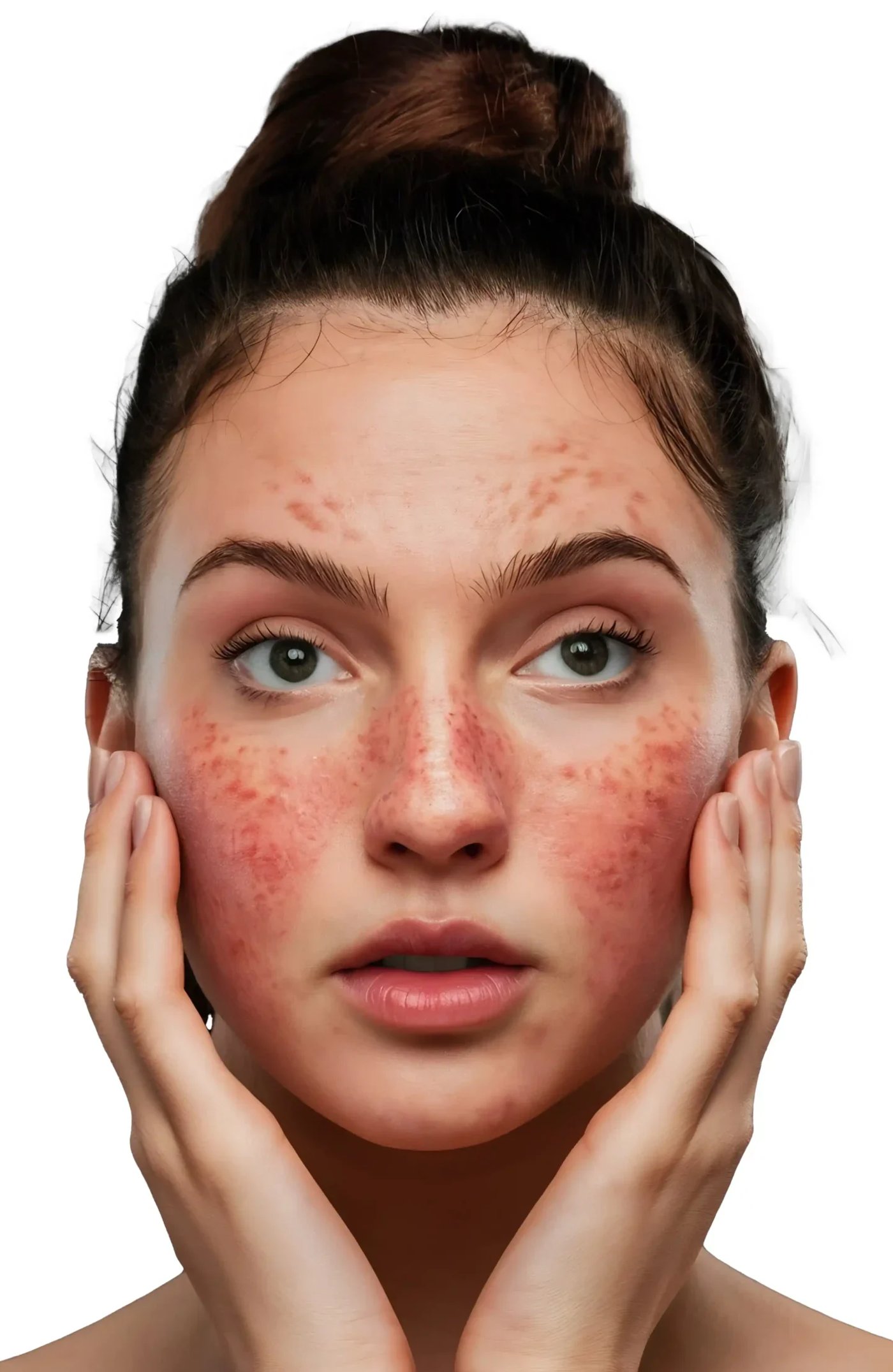
Eczema is a general medical term used to describe irritated, inflamed, and itchy skin . It’s a common condition that comes in many types and causes varying symptoms.
You can develop eczema at any age, but it usually first appears during infancy or childhood. The skin condition may come and go, but it’s a chronic skin disease. People with a history of hay fever or asthma are more likely to have eczema.
Treatment for eczema focuses on reducing flare-ups. At kalon Dermatology, we focus on helping our patients from Brooklyn and Staten Island manage their eczema effectively through personalized treatment plans.

What Are Some of the Common Types of Eczema?
Eczema types have different triggers and symptoms. Here is a list of the common types of eczema.
Atopic dermatitis
Atopic dermatitis is a long-term skin condition that causes dry, itchy, and scaly skin. This type develops when there’s a breakdown in your skin’s barrier function, making it more sensitive to outside elements.
Contact dermatitis
Contact dermatitis causes a red, itchy rash after your skin comes in contact with an allergen or irritant. Poison ivy is a type of contact dermatitis.
Dyshidrotic eczema
People with dyshidrotic eczema develop blisters and itchy skin. Researchers theorize that this type of eczema results from allergies or stress.
Neurodermatitis
Neurodermatitis, also called lichen simplex chronicus, causes a cycle of itching and scratching on a patch of skin. The itch is intense, making it hard to stop scratching.
Nummular eczema
Nummular eczema is a chronic skin condition that causes coin-shaped welts on the skin that ooze fluid. Allergies, skin infections , and dry skin may cause this type of eczema.
Seborrheic dermatitis
Seborrheic dermatitis causes dry, flaky skin on the scalp, leading to dandruff.

When creams stop working, we go further
At kalon Dermatology , our team of experts performs thorough evaluations to accurately diagnose the type of eczema you have. We may conduct a skin biopsy or allergy tests to identify the cause of your flare-ups and develop the most effective treatment plan.
For moderate to severe eczema that has not responded to topicals, your dermatologist can move past stronger steroids to non-steroidal options like calcineurin inhibitors, the biologic dupilumab, and newer oral treatments, matched to your history and how your skin has responded before.
What Are the Treatments For Eczema?
kalon Dermatology takes an individualized approach to skin care, customizing your eczema plan based on type and severity of symptoms. Treatment may include:
Your provider also talks to you about your eczema triggers and the steps you can take to avoid them.
If you are seeking effective eczema treatment for Brooklyn and Staten Island, kalon Dermatology is here to help. To determine the best approach to care, call kalon Dermatology or schedule your eczema appointment online today.
Patient Reviews
What Our Patients Say
Excellent doctor, excellent stuff. I recommend this office to my relatives and friends.
Alexander S.
Google Review
I’ve been to multiple Dermatology offices to help me with my skin concern. There is no one else I’d trust more now that I’ve been to Kalon Dermatology. The staff is polite and caring. The team took the time to go over all my treatment options and I’ve finally found the help I needed. I highly recommend this Dermatology office and will be recommending and returning with my family.
Gabi D.
Google Review
Love the friendly staff and great doctors here. Highly recommend 10/10 great results
Laura C.
Google Review
Danny is a very good doctor. Very knowledgeable, caring and attentive.
crispy P.
Google Review
Loved my experience here. Such knowledgeable providers and have a good bed side manner. The office is beautiful and most importantly very clean.
Nelly K.
Google Review
This place is absolutely amazing! From the staff, to the reception area to the treatments. I see Danny bronshtein for my injections and my skincare needs. He’s very thorough and attentive and sweet to boot. Can’t recommend them enough!
elle G.
Google Review
Good to Know
Frequently Asked Questions
Expertise You Can Trust
Meet Our Expert Team
More than 75 years of combined dermatology and medical experience. Click any provider to read their background.
Reviewed by David Biro, MD, PhD
kalon Dermatology, a dermatologist in Brooklyn and Staten Island, sees patients in Sheepshead Bay, Bay Ridge, and Staten Island.
Disclaimer: This information is provided for educational purposes and is not a substitute for professional medical advice, diagnosis, or treatment. Please schedule a consultation with our team to discuss your individual needs.
Start Here
Reveal Your Best Self
Book your consultation today and learn how our experienced team can support your skin care goals.