
Medically reviewed by Dr. David Biro, MD, PhD – Board-Certified Dermatologist | 30+ Years Experience | Last Updated: March 2026
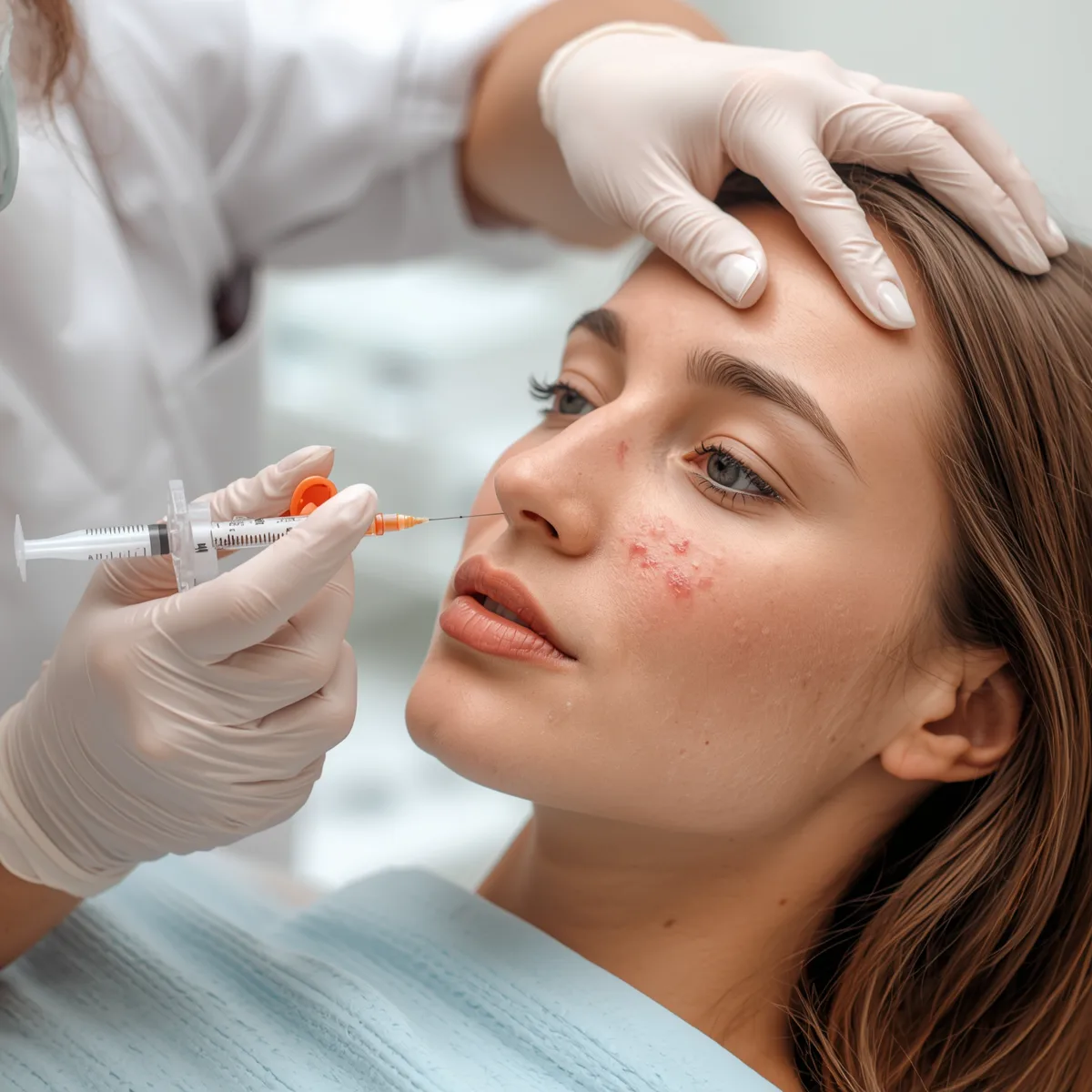
Yes, you can get Botox if you have eczema or sensitive skin. Eczema is not a contraindication to cosmetic Botox injections. As long as the areas being treated are free of active flare-ups, broken skin, or infection, Botox can be safely administered. Multiple board-certified dermatologists have confirmed that they have treated patients with eczema for years without Botox aggravating their condition.
The key is working with a provider who understands your skin condition and can evaluate whether your skin is in a good state for treatment on the day of your appointment. At kalon Dermatology in Brooklyn, our board-certified dermatologists treat eczema as a medical condition and offer cosmetic Botox under the same team, which means your provider can coordinate both aspects of your care.
Eczema Is Not a Contraindication for Botox
As long as injection areas are free of active flare-ups, broken skin, or infection, Botox can be safely administered to eczema patients.
Why Eczema Does Not Prevent You from Getting Botox
Eczema (atopic dermatitis) is a chronic inflammatory skin condition that causes dryness, itching, redness, and sometimes cracking or flaking. Patients with eczema often worry that their sensitive skin makes them poor candidates for injectable cosmetic treatments.
Cosmetic Botox is injected into facial muscles beneath the skin to relax the contractions that cause dynamic wrinkles like forehead lines, crow’s feet, and frown lines. The injection targets muscle tissue, not the surface of the skin where eczema symptoms typically occur. Because the mechanism and injection depth are different from what triggers eczema flare-ups, Botox does not interact with the condition in most cases.
Important Exception
Botox should not be injected into areas where eczema is actively flaring. If there is broken skin, open cracks, crusting, or visible inflammation at the injection site, your provider will recommend waiting until the flare has resolved before proceeding. Injecting through compromised skin increases the risk of infection and discomfort.
If your eczema is well-managed and the treatment areas on your face are clear, there is no medical reason to avoid cosmetic Botox.
What About Generally Sensitive Skin?
Even if you do not have a diagnosed skin condition like eczema, you may consider yourself to have sensitive or reactive skin. This can include skin that:
- Reddens easily
- Reacts to new products
- Feels tight or irritated frequently
- Is prone to stinging after certain skincare applications
Sensitive skin is not a contraindication for Botox either. The needles used for Botox injections are extremely fine, and the procedure does not involve any topical chemicals or products that would interact with your skin’s surface barrier.
At kalon Dermatology, numbing cream is applied before injections to minimize discomfort. For patients with heightened sensitivity or anxiety about the procedure, laughing gas (Pro-Nox) is also available in the office. These comfort measures are especially helpful for patients who know their skin tends to be more reactive.
After treatment, your provider will give you aftercare instructions that take your skin’s sensitivity into account:
- Avoid rubbing the treated areas
- Skip harsh skincare products for the rest of the day
- Stay out of extreme heat for 24 hours
Can Botox Actually Help Eczema Symptoms?
Emerging research suggests that Botox may do more than just coexist with eczema. Studies are exploring whether Botox can actually help reduce some eczema symptoms, particularly itching.
Botox blocks the release of acetylcholine, a neurotransmitter that plays a role in inflammation and itch signaling in the skin. Research has found that acetylcholine levels are elevated in the skin of patients with atopic dermatitis, and blocking its release may help interrupt the itch-scratch cycle that makes eczema so difficult to manage.
What the Research Shows
A 2020 study on 26 patients with atopic dermatitis found Botox to be a safe and effective therapy for mild, moderate, and severe forms of the condition. Other studies have shown that Botox has anti-inflammatory properties that may reduce the severity of flare-ups.
This is an off-label use and still in the research phase. Botox is not a replacement for standard eczema treatments. But for patients who already want cosmetic Botox and also have eczema, the possibility of a secondary benefit is worth discussing with your dermatologist.
What Eczema Patients Should Know Before a Botox Appointment
If you have eczema and are planning a Botox appointment, these preparation steps can help ensure the best experience:
- Tell your provider about your eczema during your consultation. Share your history, your current treatment plan, what triggers your flare-ups, and what medications you are using. At kalon Dermatology, every cosmetic treatment begins with a consultation where your provider reviews your full medical and skin history.
- Keep your eczema well-managed in the weeks leading up to your appointment. Follow your dermatologist’s treatment plan, keep your skin moisturized, and avoid known triggers. The goal is to have clear, calm skin on the day of your Botox treatment, especially in the areas where injections will be placed.
- Avoid any new skincare products in the days before your appointment. Introducing a new product that causes irritation or a reaction could complicate your Botox visit.
- If you experience a flare-up on the day of your appointment, call the office. Your provider may recommend rescheduling by a few days until the flare resolves. This is a precaution, not a cancellation of your eligibility.
Why Your Eczema Provider Should Also Be Your Botox Provider
When the same dermatologist manages both your eczema and your cosmetic Botox, your care is naturally more coordinated. Your provider knows your skin history, understands your triggers, can evaluate your skin on the day of treatment, and can adjust timing around flare-ups.
This is a significant advantage over getting Botox at a separate clinic or med spa where the injector may not have detailed knowledge of your skin condition or the medications you use to manage it.
At kalon Dermatology, our providers treat eczema daily using prescription topical medications, moisturizers, anti-inflammatory treatments, and biologic therapies for more severe cases. They understand how eczema behaves and can make informed decisions about the best timing and approach for your cosmetic treatments.
Eczema Treatments Available Alongside Botox at kalon Dermatology
kalon Dermatology offers a comprehensive range of eczema treatments that can be managed alongside your cosmetic care:
- Standard eczema management – prescription topical steroids, moisturizers, and anti-inflammatory creams tailored to your skin’s needs
- Biologic therapies – for patients with moderate to severe eczema that does not respond to topical treatments, biologics help regulate the immune response that drives the condition
- Medical-grade facials – performed by licensed estheticians to improve hydration and reduce irritation without triggering flare-ups, using gentle products appropriate for sensitive skin
- Allergy testing – helps identify triggers from specific products or environmental factors and guides product choices
The ability to receive medical eczema care, cosmetic Botox, and supportive skin treatments in one practice means fewer appointments, better communication between providers, and a more cohesive treatment plan overall.
Book Your Consultation at kalon Dermatology
kalon Dermatology brings together a team of board-certified dermatologists and cosmetic specialists with over 60 years of combined experience in both medical and cosmetic dermatology. Our team includes Dr. David Biro, an Assistant Clinical Professor of Dermatology at SUNY Downstate and a New York Magazine “Top Doctor,” and Dr. Michael Gladstein, a Castle Connolly Top Doctor with nearly three decades of experience.
Whether you need eczema management, cosmetic Botox, or both, our providers will create a plan tailored to your skin and your goals.
kalon Dermatology is rated 4.8 stars with 275 Google reviews at our Brooklyn location (2792 Ocean Avenue, Sheepshead Bay) and 5.0 stars with 28 reviews at our Staten Island office (796 Castleton Ave). We serve Sheepshead Bay, Brighton Beach, Midwood, Gravesend, Manhattan Beach, Marine Park, Flatbush, Bensonhurst, Bay Ridge, and surrounding communities.
Ready to Schedule Your Botox Consultation?
Our dermatologists can evaluate your skin and create a personalized treatment plan for both eczema management and cosmetic care.
CareCredit financing is available with plans up to 12 months.
Frequently Asked Questions
Will Botox make my eczema worse?
No. Cosmetic Botox does not typically aggravate eczema. The injections target facial muscles beneath the skin and do not interact with the surface-level inflammation that characterizes eczema. Some research suggests Botox may actually have anti-inflammatory properties that could benefit eczema patients.
Can I get Botox during an eczema flare-up?
Your provider will likely recommend waiting until the flare resolves, especially if there is broken skin, redness, or inflammation at or near the intended injection sites. Once the skin has calmed, treatment can proceed safely.
Should I stop my eczema medication before getting Botox?
Do not stop any medication without consulting your dermatologist first. Most eczema treatments, including topical steroids and moisturizers, do not interfere with Botox. Your provider at kalon Dermatology will review your current treatment plan during your consultation.
Is Botox safe for people with other skin conditions like psoriasis?
Psoriasis is also generally not a contraindication for cosmetic Botox, provided the injection areas are free of active plaques or lesions. Emerging research is exploring whether Botox may also help with psoriasis symptoms. Discuss your specific condition with your dermatologist during your consultation.
How do I know if my skin is clear enough for Botox?
Your provider will evaluate your skin on the day of your appointment. If the treatment areas (typically the forehead, between the brows, and around the eyes) are clear and free of active eczema, treatment can proceed. If there is any concern, your provider will let you know and recommend the best timing.
Medical Disclaimer: This blog is for informational purposes only and is not a substitute for professional medical advice, diagnosis, or treatment. Always consult with a qualified healthcare provider before starting any medical procedure. Individual results may vary.