

On This Page
Medically reviewed by Danny Bronshtein, NP-C | Last Updated: September 2026
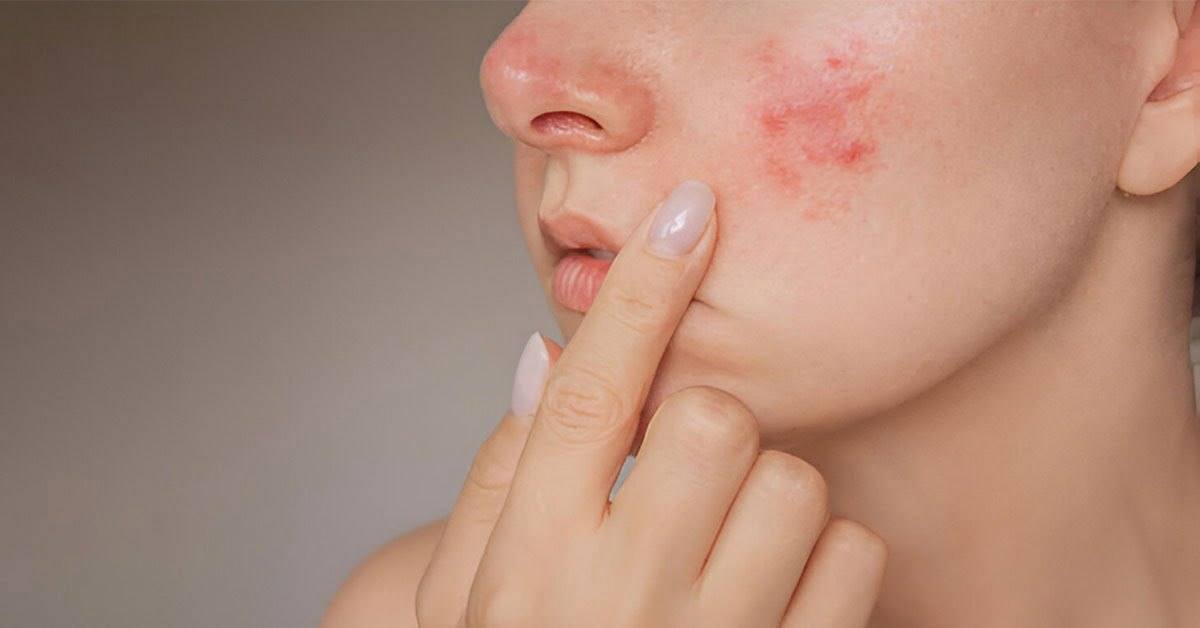
Pre-workout can cause acne in some people, but not everyone. The breakouts come from specific ingredients, not the powder as a whole. As Danny Bronshtein, NP-C at kalon Dermatology puts it, "Pre-workout products contain stimulants such as caffeine and other ingredients such as sugar, and those ingredients can cause acne." If your skin flares after you started a new formula, the label is the first place to look.
The Short Answer: Pre-Workout Triggers Acne in Some People, Not as a Universal Side Effect
Acne is not a guaranteed reaction to pre-workout. Two people can take the same scoop and only one breaks out. What decides it is your skin type, your hormones, your dose, and which ingredients the formula uses. Most workout-related breakouts trace back to a short list of usual suspects, and each works through a different pathway.
The Pre-Workout Ingredients Most Linked to Acne, at a Glance
| Ingredient | How it may drive acne | How strong is the link |
|---|---|---|
| Caffeine (high dose) | Raises cortisol and dehydrates skin, which can increase oil | Plausible, dose-dependent |
| Added sugar / high-glycemic carbs | Spikes insulin and IGF-1, which raise sebum | Well supported for diet and acne |
| Artificial sweeteners | May disrupt gut bacteria and insulin response | Emerging, not settled |
| Whey and dairy in shakes | Can raise insulin and androgen activity | Supported in sensitive people |
| High-dose vitamin B12 | Can trigger acne-like bumps in some users | Documented but uncommon |
| Creatine | Long blamed for raising DHT | Weak; a 2025 trial found no significant DHT rise |
Caffeine Raises Cortisol and Dehydrates Skin, Which Can Increase Oil and Clogged Pores
High-dose caffeine is the ingredient most people notice first. It nudges cortisol, your main stress hormone, upward. Higher cortisol tends to increase oil production, and extra oil gives clogged pores more to work with. Caffeine is also a mild diuretic, so a strong scoop plus a hard workout can leave skin dehydrated, which makes it more reactive.
This is dose-driven. A moderate amount of caffeine is not a problem for most skin. A 300 to 400 mg pre-workout on top of coffee is a different story.
Added Sugar and High-Glycemic Carbs Spike Insulin, Which Feeds Breakouts
The clearest diet-and-acne link is blood sugar. Sugary, high-glycemic ingredients raise insulin and a growth factor called IGF-1. Both push your oil glands to produce more sebum, and more sebum means more clogged pores. The American Academy of Dermatology notes that high-glycemic-index foods and, for some people, dairy can worsen acne. A pre-workout loaded with sugar or fast carbs fits that pattern.
Artificial Sweeteners May Disrupt Gut Bacteria and Insulin, but the Evidence Is Early
Sugar-free formulas swap in sweeteners like sucralose and aspartame. Early research suggests some sweeteners can shift the gut microbiome and blunt insulin control, which could in theory affect skin. This link is not settled the way the sugar link is. If you break out on a sugar-free pre-workout, the sweetener is worth testing by elimination, not assuming.
Whey and Dairy in Protein Shakes Can Worsen Acne in Sensitive People
Many people stack pre-workout with a whey shake, and whey is a common acne trigger on its own. Whey and other dairy proteins can raise insulin and androgen activity, both of which increase sebum. If your breakouts started when you added a protein powder rather than the pre-workout itself, switch to a plant protein for a few weeks and watch your skin.
High-Dose Vitamin B12 Can Trigger Acne-Like Bumps in Some Users
Pre-workouts often add B vitamins for energy marketing. In a subset of people, high-dose B12 can set off small acne-like bumps, an effect documented in dermatology literature. It is not common and it is reversible when the supplement stops. If your formula is heavy on B12 and your breakouts are new, this is an easy variable to remove and test.
Creatine and Acne: A 2025 Trial Found It Did Not Significantly Raise DHT
Creatine gets blamed for acne through a supposed rise in DHT, an androgen tied to oil production. The evidence for that mechanism is weak. A 2025 randomized controlled trial in resistance-trained men found that 12 weeks of creatine did not significantly change DHT levels or the DHT-to-testosterone ratio. Creatine is one of the better-studied supplements for safety, and pinning a breakout on it should come after you have ruled out caffeine, sugar, whey and B12.
How to Keep Taking Pre-Workout Without Breaking Out
You usually do not have to quit. Change variables one at a time so you learn what your skin reacts to.
When to See a Dermatologist for Workout-Related Acne
Breakouts that scar, spread, or do not settle after you have removed the likely triggers deserve a real evaluation. A clinician can tell workout acne from other causes, check whether a supplement or a hormone issue is driving it, and match treatment to your skin. kalon Dermatology treats acne across our Brooklyn and Staten Island locations, including the stubborn, inflammatory kind that does not respond to over-the-counter products.
Frequently Asked Questions
How long after starting pre-workout does acne appear?
There is no instant reaction. Breakouts tied to a supplement usually build over about two to eight weeks, which is why a new formula can look unrelated at first. That lag is also why single-variable testing over three to four weeks works better than judging your skin after a few days.
Can I take acne medication and pre-workout at the same time?
Usually yes, but confirm with your clinician first. Some pre-workout ingredients can interact with acne medications or add to side effects, so it is worth a quick check rather than an assumption.
Does creatine specifically cause acne?
The evidence is weak. A 2025 randomized controlled trial found creatine did not significantly raise DHT, the hormone the acne claim depends on. Look at caffeine, sugar, whey and B12 before blaming creatine.
Should I stop working out if I break out?
No. Exercise itself does not cause acne and can help by lowering stress and steadying blood sugar. The fix is managing sweat and reviewing your supplements, not skipping the gym. Wash your face soon after training.
Are there acne-friendly pre-workout options?
Look for low or no added sugar, moderate caffeine, and no megadose B12. Simpler formulas with fewer stimulants and sweeteners give your skin fewer triggers to react to.
Talk to kalon Dermatology About Acne That Will Not Clear
If workout-related breakouts keep coming back, our providers can find the trigger and build a plan for your skin type. Book a consultation at kalon Dermatology in Brooklyn or Staten Island.
Sources
American Academy of Dermatology, "Acne: Causes and treatment".
"Does creatine cause hair loss? A 12-week randomized controlled trial" (2025), PMC.
Good to Know
Frequently Asked Questions
Keep Reading
Popular Articles
Expertise You Can Trust
Meet Our Expert Team
More than 75 years of combined dermatology and medical experience. Click any provider to read their background.
Disclaimer: This information is provided for educational purposes and is not a substitute for professional medical advice, diagnosis, or treatment. Please schedule a consultation with our team to discuss your individual needs.
Start Here
Reveal Your Best Self
Book your consultation today and learn how our experienced team can support your skin care goals.