

From the Blog
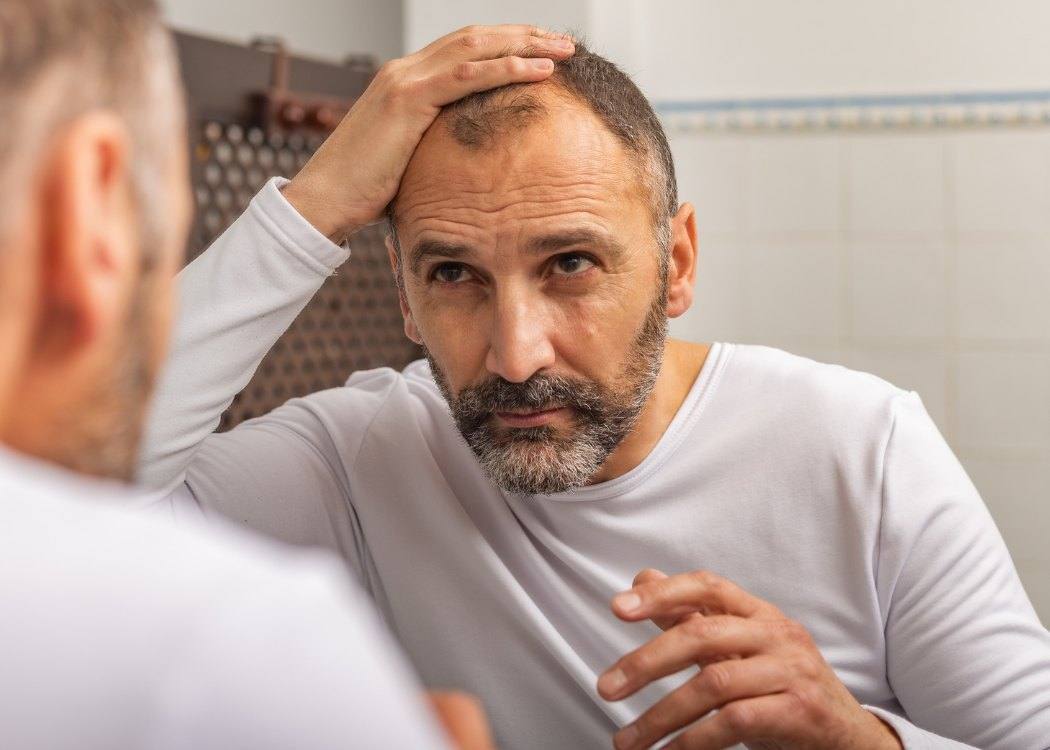
Can Vaping Contribute to Hair Loss, and Will Your Hair Grow Back if You Quit?
On This Page
Medically reviewed by Dr. David Biro, MD, PhD - Board-Certified Dermatologist | 30+ Years Experience | Last Updated: August 2026
In recent years, vaping has gained popularity as an alternative to smoking, with many considering it a safer option. However, concerns are growing about its impact on health. One pressing question is whether vaping can lead to hair loss.
If vaping is affecting your hair, the next question is usually whether it grows back after you quit. For most people who catch it early it can, as long as the follicles have not been scarred, because vaping tends to starve the follicle rather than destroy it. The regrowth details, the timeline, and when to see a dermatologist are covered further down this page.
Danny Bronshtein is a licensed and board-certified Nurse Practitioner. with the following insight, “ vaping can contribute to hair loss due to the ingredients and toxins present in vape products due to systemic absorption and contact with the skin on the face and scalp”
What Is Vaping?
Vaping involves inhaling a flavored aerosol produced by an electronic device called a vape or e-cigarette. This aerosol often contains nicotine, chemicals, and other additives.
What Happens When You Vape?
When you vape, you expose your body to nicotine and other chemicals. Nicotine is a vasoconstrictor, meaning it narrows your blood vessels. Narrower blood vessels mean reduced blood flow to different parts of the body, including your scalp. Reduced blood flow may weaken hair follicles and potentially slow down hair growth, particularly in individuals with other contributing factors.
Another issue is oxidative stress, as vaping releases free radicals -unstable molecules that can damage cells. This oxidative stress can harm the cells responsible for healthy hair growth.
Chemicals in Vape Juice
Some vape liquids may contain chemicals that have been associated with inflammation or irritation in certain individuals. Chronic inflammation can negatively impact hair health, making it harder for your body to grow and maintain healthy hair.
Is Vaping the Main Cause of Hair Loss?
Not always. Hair loss can result from various causes, including:
- Genetics
- Hormonal changes
- Medical conditions
- Poor diet
While vaping alone is not typically the sole cause, it can exacerbate these conditions, particularly in those predisposed to hair loss.
What Can You Do If You Vape and Are Worried About Hair Loss?
In addition to limiting vaping, maintaining a healthy diet, staying hydrated, and managing stress, consider scheduling a consultation with a dermatology provider. They can assess your hair loss and recommend targeted solutions.
Can Vaping Really Cause Hair Loss?
Nicotine may impact blood flow by narrowing blood vessels, potentially reducing the delivery of nutrients and oxygen to hair follicles. This effect could contribute to hair thinning over time.
Inflammatory chemicals: Ingredients in vape liquids can harm hair follicles over time.
Increased stress: Vaping may elevate stress levels, potentially triggering conditions like telogen effluvium, where hair falls out prematurely.
I vape occasionally. Am I at risk of hair loss?
The risk depends on your vaping frequency and overall health. Occasional vaping might not significantly affect your hair if you have a balanced diet, low stress, and no family history of hair loss. However, frequent vaping can accumulate damage over time, especially if you’re already prone to thinning hair.
Is Nicotine-Free Vaping Safe for My Hair?
Even nicotine-free vaping carries some risks. Many vape liquids contain chemicals that may irritate the body or trigger inflammation, potentially affecting hair growth.
Other Factors to Consider
Hair loss often involves multiple contributors. If you’re noticing thinning hair or bald spots, consider these additional factors:
Diet: Poor nutrition can weaken hair.
Hormones: Hormonal imbalances, especially in women, can cause hair loss.
Genetics: A family history of hair thinning increases the likelihood of experiencing it.
What Does the Research Say?
Although research on vaping and hair loss is limited, studies have linked nicotine to hair thinning. Notably, vaping can expose users to higher nicotine concentrations than traditional cigarettes, potentially amplifying its effects.
- Nicotine narrows blood vessels, restricting nutrient and oxygen flow to hair follicles.
- Chemicals in vape liquids may harm scalp cells, impacting hair health.
Will your hair grow back after you quit vaping?
For most people who catch it early, yes. Vaping mostly interferes with how well the follicle is fed rather than killing the follicle, and a follicle that is underfed can recover once the supply comes back. Nicotine constricts blood vessels, so less oxygen and fewer nutrients reach the root, which can slow growth or push hairs into shedding. When you stop, blood flow to the scalp improves and the oxidative stress eases, so follicles that were starved but still alive can return to normal growth.
Two things shape whether you see a full recovery. If vaping mainly triggered a temporary, all-over shed, hair usually fills back in once the trigger is gone. If vaping was speeding up hereditary thinning, which runs in a predictable pattern at the part or crown, then quitting removes an accelerant but the genetic process itself still needs treatment to hold ground. The mechanics of how vaping affects the follicle are covered in the sections above.

How long does regrowth take after you quit?
Hair moves on its own schedule, so patience is part of the plan. Blood flow to the scalp tends to normalize within a few weeks of quitting. Many people notice the shedding calm down over the following one to two months. Visible regrowth usually starts around the three to six month mark, and fuller density can take up to a year, because a strand grows only about half an inch a month and follicles restart in cycles rather than all at once.
There is also a timing quirk worth knowing. Shedding that follows a stressful trigger often shows up two to three months after the fact, and it can keep going for a stretch even after you quit before it turns around. So a few weeks of continued shedding after your last vape doesn't mean quitting failed. It usually means the cycle is still catching up.
When to see a dermatologist about hair loss
Quitting is the right first move, but it is not always the whole answer. It is worth having your hair evaluated when the loss is noticeable or persistent, especially if you see any of these:
You don't have to wait until it is dramatic. Many causes respond better when they are caught early, so an earlier visit tends to protect more of your hair.
What a dermatologist checks to find the cause
Treating the wrong cause wastes months, so a good visit starts with figuring out why you are losing hair rather than assuming it is only the vaping. At kalon Dermatology that means a scalp exam, trichoscopy (a close magnified look at the follicles), a pull test, and blood work, with a biopsy when the picture is not clear. Blood work can surface common internal drivers such as thyroid changes, low iron, and nutritional gaps, which frequently sit alongside a habit like vaping rather than being caused by it.
The point of that workup is to separate hereditary thinning from a temporary shed from an autoimmune cause, because each is treated differently. That is the real gap between a dermatology evaluation and a hair-transplant sales consultation: here the treatment follows the diagnosis.
Can treatment help your hair grow back faster?
Often, yes, and the plan is matched to what the exam actually finds. For hereditary thinning, options include minoxidil, which improves blood flow at the scalp, and finasteride for appropriate patients. For a temporary shed, the job is to confirm the trigger is gone and support the regrowth that is already coming. Other options include PRP, low-level laser therapy, and the Alma TED hair treatment, which is FDA-cleared. Quitting and a targeted treatment together tend to do more than waiting alone. You can read about the full range on our hair loss care page.
How kalon Dermatology Can Help?
At kalon Dermatology in Brooklyn, NY, we specialize in diagnosing and treating all types of hair loss. Our team combines over 60 years of dermatological expertise with the latest diagnostic and treatment technologies to deliver personalized care tailored to your unique needs.
Conveniently located in Brooklyn, NY, our compassionate team is ready to support you on your journey to healthqier hair.
Final Thoughts
Hair loss can be frustrating, but it doesn’t have to be permanent. If you suspect vaping or other factors contribute to thinning hair, consider seeking support promptly. With professional help from kalon Dermatology, you can identify the underlying causes of your hair loss. We offer advanced treatments, including scalp evaluations, topical therapies, and other innovative solutions, to help you regain confidence in your appearance.
Frequently Asked Questions
Why would nicotine in vaping cause hair loss?
Nicotine narrows blood vessels, reducing the delivery of nutrients and oxygen to hair follicles, which can impair hair growth.
Are all vapes equally likely to cause hair loss?
The risk varies based on the vape liquid’s ingredients. Products with high nicotine levels or harmful chemicals are more likely to affect hair health.
Does vaping affect everyone’s hair the same way?
No, individual responses to vaping depend on factors like genetics, overall health, and lifestyle.
Should I see a doctor if I suspect vaping is causing my hair loss?
Yes, consulting a dermatologist can help you determine the cause of your hair loss and explore effective treatment options.
Disclaimer
This article is for educational purposes only and is not medical advice. Consult dermatologists for any skin concerns or before starting any treatment. Do not ignore professional medical advice due to the information read here. The authors are not responsible for any outcomes from the use of this information.
Disclaimer: This article is for informational purposes only and is not a substitute for professional medical advice, diagnosis, or treatment. Always consult a qualified healthcare provider with any questions about a medical condition.
About Author
Admin
Recent Post
Good to Know
Frequently Asked Questions
Keep Reading
Popular Articles
Expertise You Can Trust
Meet Our Expert Team
More than 75 years of combined dermatology and medical experience. Click any provider to read their background.
Disclaimer: This information is provided for educational purposes and is not a substitute for professional medical advice, diagnosis, or treatment. Please schedule a consultation with our team to discuss your individual needs.
Start Here
Reveal Your Best Self
Book your consultation today and learn how our experienced team can support your skin care goals.