
Medically reviewed by Dr. David Biro, MD, PhD – Board-Certified Dermatologist | 30+ Years Experience | Last Updated: March 2026
Sofwave and Ultherapy are both FDA-cleared ultrasound treatments for skin tightening and lifting, but they differ in key ways that matter to patients. Sofwave uses Synchronous Ultrasound Parallel Beam (SUPERB) technology for a more comfortable treatment experience with comparable lifting results. Ultherapy uses micro-focused ultrasound to reach deeper tissue layers but is often described as significantly more painful. Both stimulate collagen production for natural-looking results without surgery, but the treatment experience and technology approach differ enough that one may be clearly better suited for your needs.
If you are researching non-surgical skin tightening, you have likely come across both Sofwave and Ultherapy. Ultherapy has been around longer and has more name recognition thanks to years of marketing and celebrity endorsements. Sofwave is newer but has quickly gained popularity among both patients and providers. Understanding the real differences between these technologies will help you choose the right treatment for your skin concerns and comfort preferences.
How Sofwave and Ultherapy Work
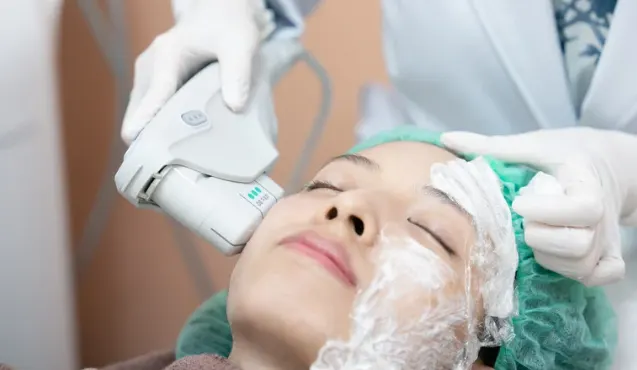
Both treatments use ultrasound energy to heat tissue beneath the skin’s surface, triggering collagen production that gradually tightens and lifts the treated area. However, they approach this goal differently.
Ultherapy uses micro-focused ultrasound with visualization (MFU-V). This technology can reach depths of 1.5mm, 3.0mm, and 4.5mm, allowing it to target the SMAS layer (superficial muscular aponeurotic system), the same layer addressed during surgical facelifts. The ability to visualize tissue during treatment allows providers to see exactly where they are delivering energy.
Sofwave uses Synchronous Ultrasound Parallel Beam (SUPERB) technology to treat at a depth of 1.5mm in the mid-dermis. This is the layer where collagen production occurs. Rather than targeting the deeper SMAS layer, Sofwave focuses on optimizing collagen stimulation in the dermis for skin quality improvement and tightening.
“Sofwave is a non-invasive form of treatment. There are no needles or chemicals involved,” explains the team at kalon Dermatology. “It is a high-frequency ultrasound device, and it penetrates the skin into the middle layer around the dermis. It creates some of that skin damage or stimulation to that layer, and that forces collagen formation, helping the skin to tighten up and achieving that lifting effect.”
Why treatment depth matters: Ultherapy’s ability to reach the SMAS layer sounds like an advantage, but clinical outcomes show that both treatments produce comparable lifting results for most patients. The practical difference is that Sofwave achieves similar results while treating a shallower depth, which contributes to improved comfort during the procedure.
Comfort Level: Which Treatment Hurts Less?
For many patients, comfort during treatment is the deciding factor when choosing between Sofwave and Ultherapy. The difference is significant.
Ultherapy is known for being uncomfortable. Many patients describe the sensation as intense heat combined with sharp, zapping pain when the ultrasound pulses are delivered. The discomfort is typically worse when treating areas with less tissue padding, such as the forehead, jawline, and neck. Many practices offer pain medication, nerve blocks, or even sedation to help patients tolerate Ultherapy treatment.
Sofwave is consistently reported as more comfortable. While patients still feel heat during treatment, the sensation is generally described as manageable warmth rather than sharp pain. Sofwave’s integrated cooling technology (Sofcool) protects the skin surface and reduces discomfort during energy delivery.
“There is some discomfort involved. It’s just heat sensation,” notes the kalon Dermatology team. “We use a numbing cream to mitigate that. It’s a strong medical-grade numbing cream that is compounded specifically for us.” For patients who want additional comfort, laughing gas is also available.
Why comfort matters beyond the obvious: Treatment comfort affects more than just your experience during the procedure. Patients who find Ultherapy too painful sometimes cannot complete the full treatment or may avoid returning for maintenance sessions. Sofwave’s improved comfort means patients are more likely to complete their treatment and maintain results with follow-up sessions when needed.
What patients actually report:
Ultherapy patients commonly describe the experience as “the most painful cosmetic treatment I’ve had” or note they needed medication to get through it. Online reviews frequently mention pain as a major drawback.
Sofwave patients typically describe the experience as “very tolerable” or “much easier than I expected.” The difference in patient experience is notable and consistent.
Results Comparison: Sofwave vs Ultherapy
When it comes to results, both treatments deliver visible improvement in skin laxity, though the timeline and mechanisms differ slightly.
Clinical outcomes are comparable. Studies and clinical experience show that both Sofwave and Ultherapy produce noticeable skin tightening and lifting. Patients see improvement in jowls, jawline definition, brow position, and neck laxity with either treatment.
Results timeline:
Both treatments rely on collagen stimulation, which means results develop gradually over time rather than appearing immediately.
Ultherapy: Initial results may appear in two to three months, with continued improvement for up to six months as collagen remodels.
Sofwave: Many patients notice visible improvement slightly earlier, with results developing over one to three months and continuing to improve for up to six months.
“The results are not immediately visible because of the effect of collagen stimulation. It takes a few weeks to a month to get that result,” explains the kalon Dermatology team.
How long results last:
Both treatments provide results lasting approximately one to two years. The collagen you build is real and lasting, but the aging process continues, so maintenance treatments help preserve your results over time.
“The results are permanent because there are no chemicals involved. It’s stimulating your own collagen,” notes the team at kalon Dermatology. “But they’re not permanent because you still live on Earth, and the effects of gravity will pull it down. You’ll probably have to repeat the procedure over time.”
Treatment areas:
Ultherapy has FDA clearance for lifting the brow, chin, and neck, as well as improving lines and wrinkles on the decolletage.
Sofwave has FDA clearance for lifting the eyebrow and submental (under chin) area, reducing facial wrinkles, and improving cellulite on the body.
Both treatments effectively address the most common concerns: jowls, jawline definition, neck laxity, and overall facial skin tightening.
Treatment Time and Downtime
Practical considerations like treatment time and recovery matter when planning your procedure.
Treatment time:
Sofwave full face treatment: approximately 30 to 45 minutes Ultherapy full face treatment: approximately 60 to 90 minutes
“The treatment itself takes about an hour, up to 90 minutes for a large area,” notes the kalon Dermatology team regarding Sofwave treatment of larger areas including face and neck.
The shorter treatment time for Sofwave makes it more convenient for busy patients and reduces the overall time spent in discomfort.
Downtime:
Both treatments have minimal to no downtime. You can return to normal activities immediately after either procedure.
Common side effects:
Both treatments may cause temporary redness, mild swelling, and tenderness in the treated area. These effects typically resolve within hours to a day.
“Side effects include a little redness and irritation, but that usually lasts for a very limited time, maybe a day. There’s no downtime, no visible marks, no injection points,” explains the kalon Dermatology team.
Ultherapy may occasionally cause temporary numbness or tingling due to its deeper treatment depth, though this is uncommon.
Cost Comparison
Pricing is an important consideration when choosing between these treatments.
Sofwave: $2,000 to $4,500 Sofwave treatments generally cost less than Ultherapy while delivering comparable results. The exact price depends on the areas treated (face only vs face and neck) and your geographic location.
Ultherapy: $2,500 to $5,000 Ultherapy typically costs more than Sofwave, partly due to its longer name recognition and partly due to longer treatment times requiring more provider time.
Value considerations:
Both treatments typically require only one session for initial results, making them cost-effective compared to treatments requiring multiple sessions. Maintenance treatments every one to two years help preserve results.
When comparing value, consider that Sofwave often delivers comparable results at a lower price point with significantly improved comfort. For many patients, this makes Sofwave the better value proposition.
Which Treatment is Better for Your Concerns?
The right choice depends on your specific situation, priorities, and concerns.
Choose Sofwave if:
- Comfort during treatment is a priority for you
- You have low pain tolerance
- You want shorter treatment time
- You are looking for effective skin tightening at a more accessible price point
- You have mild to moderate skin laxity on the face and neck
- You want a provider to recommend a comfortable, effective protocol
Consider Ultherapy if:
- You specifically want treatment reaching the SMAS layer
- You have a high pain tolerance or access to sedation during treatment
- You have had good experiences with Ultherapy in the past
- Your provider has extensive Ultherapy experience and recommends it for your anatomy
For most patients, Sofwave is the preferred choice. The comparable clinical results combined with significantly improved comfort and often lower cost make Sofwave the better option for the majority of people seeking non-surgical skin tightening.
Concerns where both work well:
- Jowls and jawline definition
- Neck laxity and turkey neck
- Brow lifting
- Overall facial skin tightening
- Fine lines and wrinkles
Why Many Providers Are Choosing Sofwave
There has been a noticeable shift among aesthetic providers toward Sofwave and away from Ultherapy. Several factors drive this trend.
“We have offered both Sofwave and Ultherapy at our practice and shifted to Sofwave as our primary skin tightening device for two reasons. First, the comfort level is significantly higher, our patients tolerate Sofwave with topical anesthesia alone, while Ultherapy historically required pre-procedure pain medication for many. Second, the depth of penetration on Sofwave is more controlled and produces consistent results in the mid-dermis, where most aesthetic patients want collagen stimulation. Ultherapy still has a place for the deepest SMAS layer, particularly in older patients with significant laxity, but for the typical 40 to 60 year old aesthetic patient, Sofwave is the better tool.”
, Dr. David Biro, MD, PhD, Board-Certified Dermatologist, kalon Dermatology
Better patient experience. Providers want their patients to have positive treatment experiences. When patients describe Ultherapy as “the most painful procedure I’ve had,” it creates challenges for patient satisfaction and retention. Sofwave’s improved comfort leads to happier patients and better reviews.
Comparable clinical results. If two treatments produce similar outcomes but one is significantly more comfortable, the more comfortable option becomes the obvious choice. Providers have found that Sofwave delivers the tightening and lifting results they want to achieve for patients.
Consistent energy delivery. Sofwave’s SUPERB technology delivers energy consistently across the treatment area, reducing variability in results.
Growing clinical evidence. As Sofwave has been used more widely, the body of clinical evidence supporting its efficacy continues to grow, giving providers confidence in recommending it.
Patient willingness to return. Because Sofwave is more comfortable, patients are more willing to return for maintenance treatments, leading to better long-term outcomes and ongoing patient relationships.
Sofwave vs Ultherapy vs Thermage, Pelleve, and Skintyte: How They Compare
Patients comparing Sofwave and Ultherapy often ask how those two stack up against the other major skin tightening devices. The short answer: each device targets a different layer of the skin, and the best choice depends on your concerns.
- Sofwave (ultrasound, mid-dermis): Synchronous Ultrasound Parallel Beam SUPERB technology. Best for mild to moderate laxity, fine lines, brow lift. Single 30 to 45 minute session. Most comfortable. $2,000 to $4,500.
- Ultherapy (ultrasound, deep SMAS): Reaches the SMAS layer directly. Best for moderate laxity in the cheeks, jawline, and brow. Historically more painful, longer session. $2,500 to $5,500.
- Thermage (radiofrequency, deep dermis): Bulk dermal heating with RF energy. Best for skin laxity and texture, less effective for deep lifting. Single session, ~$2,500 to $4,000. Treats areas Sofwave cannot reach (eyelids, body).
- Pelleve (radiofrequency, superficial dermis): Lower-energy RF, multiple sessions needed (4 to 6 over 6 months). Best for very mild laxity and as maintenance. $300 to $800 per session.
- Skintyte (broadband light + RF, superficial): Mild tightening from broadband light energy. Better suited as a finishing or maintenance treatment combined with another device. $400 to $1,000 per session.
For Brooklyn patients in their 40s to 60s with mild to moderate laxity who want a single-session, comfortable treatment with predictable results, Sofwave is the option we recommend most often. Patients with significant SMAS laxity sometimes do better with Ultherapy, and patients who need texture work in addition to tightening sometimes pair Sofwave with Thermage in a layered plan.
Sofwave Skin Tightening at kalon Dermatology
At kalon Dermatology, we offer Sofwave for patients seeking effective, comfortable skin tightening without surgery.
Why we chose Sofwave:
After evaluating available skin tightening technologies, we selected Sofwave because it delivers excellent results with a treatment experience our patients find comfortable and manageable. We believe you should not have to suffer through a painful procedure to achieve tighter, more youthful-looking skin.
“The leading questions for somebody to be interested in doing a Sofwave is skin laxity,” explains our team. “Basically, the skin kind of dwindles and sags. Patients usually complain about areas around the neck, around the mouth, and folds, wrinkling on the neck area, or the crepiness appearance of the skin.”
Our approach to comfort:
We use medical-grade numbing cream compounded specifically for our practice, and we offer laughing gas for patients who want additional comfort. Our goal is to make your treatment experience as pleasant as possible while delivering the results you want.
What patients say about their experience:
“The doctor was very thorough, taking the time to answer all of my questions without rushing through the appointment. I felt genuinely cared for and valued as a patient.”
“Dr. Danny is the best and very knowledgeable. He will recommend what’s best and won’t try to sell you bs.”
kalon Dermatology serves patients from Sheepshead Bay, Brighton Beach, Midwood, and surrounding Brooklyn neighborhoods, as well as Staten Island’s North Shore community.
Conveniently located to serve you:
Brooklyn (Sheepshead Bay) 2792 Ocean Ave, 2nd Floor Brooklyn, NY 11229 Monday through Thursday: 10:00 AM to 6:00 PM Friday: 9:00 AM to 3:00 PM
Staten Island (West Brighton) 796 Castleton Ave Staten Island, NY 10310 Monday: 10:00 AM to 7:00 PM Friday: 9:00 AM to 5:00 PM
[EMBED GOOGLE BUSINESS PROFILE HERE]
Schedule a consultation to learn if Sofwave is right for your skin tightening goals.
Sofwave Skin Tightening in Brooklyn, Bay Ridge, and Staten Island
kalon Dermatology offers Sofwave skin tightening at three locations: Brooklyn (2792 Ocean Ave, Sheepshead Bay), Bay Ridge (9921 4th Ave), and Staten Island (796 Castleton Ave). Pricing is consistent across all three sites. To request a Sofwave consultation, visit our Sofwave service page or call 833-635-2566.
FAQs: Sofwave vs Ultherapy
Which treatment has better results?
Clinical studies and patient outcomes show comparable results between Sofwave and Ultherapy for skin tightening and lifting. Both treatments stimulate collagen production and deliver visible improvement in skin laxity. The main differences are in treatment experience (comfort) and cost rather than final results.
Can I switch from Ultherapy to Sofwave?
Yes. If you have had Ultherapy in the past, you can switch to Sofwave for future treatments. Many patients who found Ultherapy too uncomfortable choose Sofwave for maintenance treatments. Let your provider know about your previous Ultherapy experience during your consultation.
How many treatments will I need?
“The amount of sessions is usually individual, but it is between one or two sessions between three to six months apart,” according to the kalon Dermatology team. Most patients achieve their desired results with a single Sofwave treatment, though some benefit from a follow-up session.
Which is better for neck tightening?
Both treatments effectively address neck laxity. Sofwave’s comfort advantage is particularly notable for neck treatment, as the neck area can be sensitive during energy-based procedures. Many patients find Sofwave more tolerable for neck treatment compared to Ultherapy.
Is one treatment safer than the other?
Both Sofwave and Ultherapy are FDA-cleared with excellent safety profiles. Side effects are generally mild and temporary (redness, swelling, tenderness). Serious complications are rare with both treatments when performed by qualified providers.
What if I had Ultherapy before and did not like it?
Many patients who found Ultherapy too uncomfortable have switched to Sofwave and had much better experiences. If pain tolerance was your issue with Ultherapy, Sofwave’s improved comfort may make skin tightening treatment accessible for you again.
Does Sofwave work as well as Ultherapy for lifting?
Yes. While Ultherapy reaches deeper tissue layers, clinical outcomes show that Sofwave produces comparable lifting results for most patients. The practical difference in results is minimal, while the difference in comfort is significant.
Disclaimer
Medically reviewed by Danny Bronshtein, NP-C, MSN
This content is for educational purposes only and is not intended as medical advice, diagnosis, or treatment. Please consult a qualified healthcare provider for personalized recommendations.
Disclaimer: This article is for informational purposes only and is not a substitute for professional medical advice, diagnosis, or treatment. Always consult a qualified healthcare provider with any questions about a medical condition.