
Detect skin cancer early and start trusted treatment

Last Updated: April 2026
Skin Cancer Testing
Skin cancer is the most common type of cancer, and early detection can greatly improve recovery chances. At kalon Dermatology, we offer skin cancer testing for Brooklyn and Staten Island residents, as well as individuals from other areas. Our skilled providers, located in Staten Island and the Sheepshead Bay neighborhood of Brooklyn, New York, perform thorough evaluations and take skin biopsies of abnormal growths to confirm or rule out skin cancer. Call the office or schedule your skin cancer testing online today.
What is skin cancer?
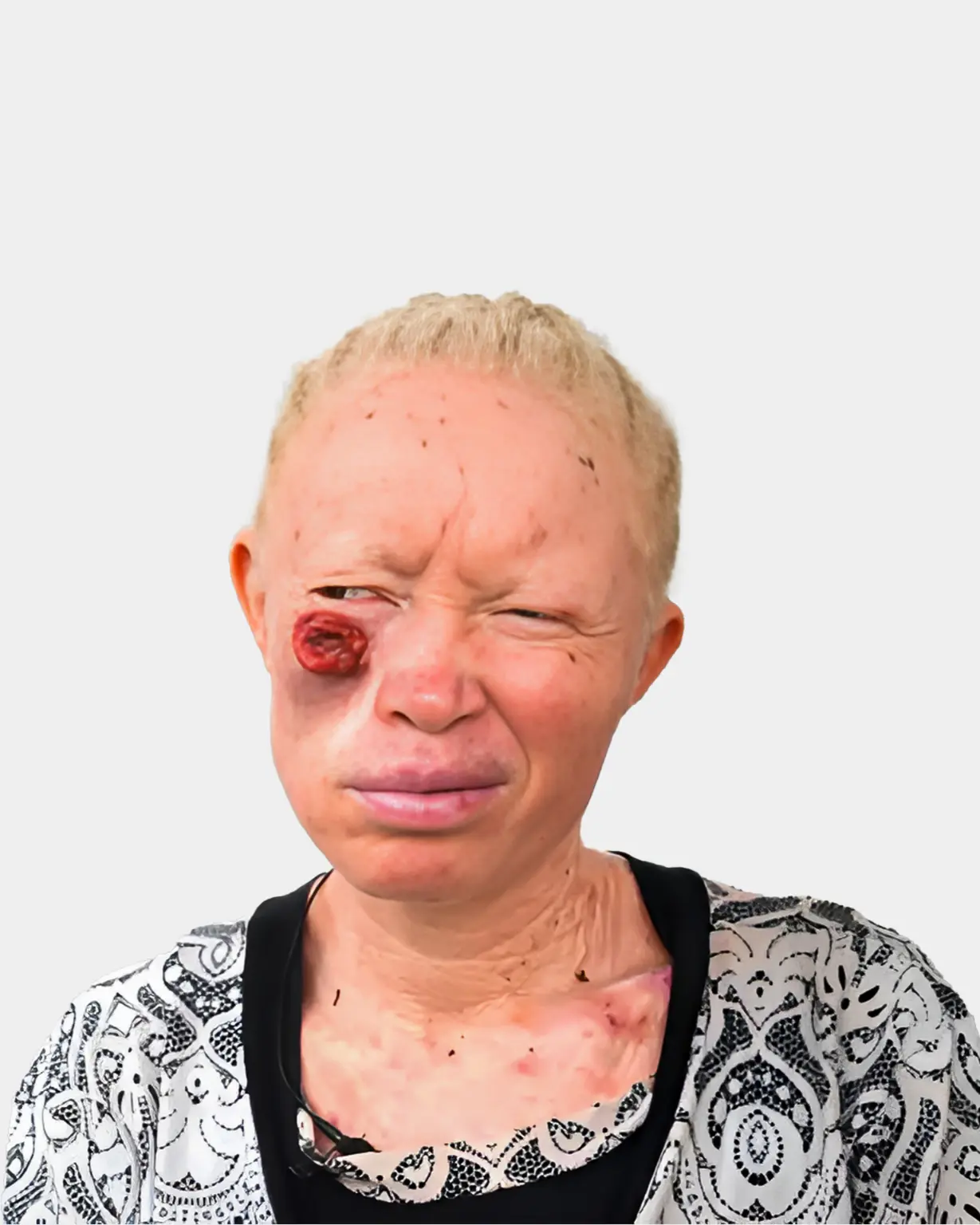
Skin cancer is a type of cancer that starts in the skin cells. It occurs when there’s a rapid growth of abnormal cells, creating a lesion. Anyone can get skin cancer.
Some of the common types of skin cancer include:
- Basal cell carcinoma (BCC)
- Squamous cell carcinoma (SCC)
- Melanoma
Overexposure to ultraviolet (UV) light from the sun or a tanning lamp is the most common cause of skin cancer. Finding and treating skin cancer during the early stages improves your chances of a full recovery.
kalon Dermatology offers skin cancer testing to help you stay on top of your skin health. We also provide services for skin infections in the same places.
Reveal Your Best Self
Book your consultation today and learn how our experienced team can support your aesthetic and skin care goals.
Read Our Reviews
Posted onTrustindex verifies that the original source of the review is Google. The service was outstanding, and the office was incredibly clean and well-maintained. The doctor was very thorough, taking the time to answer all of my questions without rushing through the appointment. I felt genuinely cared for and valued as a patient. I would highly recommend this office to anyone looking for top-quality care. 10/10—highly impressed and satisfied!Posted onTrustindex verifies that the original source of the review is Google. Very nice doctor ✨replied to all my questions, did procedure and gave me reception. Amiable and wasn’t in rush 👍🏽 thank you , highly reccomendedPosted onTrustindex verifies that the original source of the review is Google. I love this place it's really nice and clean and they are always so nice but the main reason I come if for Dr.Danny he is the best and very knowledgeable he will recommend whats best and won't try to sell you bs. I would highly recommend him for dermatological and cosmetic services.Posted onTrustindex verifies that the original source of the review is Google. My experience have been amazing Dr. Tatiana Davydova has wealth of experience and expertise she has soft hands i had a few procedures done and the results are amazing Staff is friendly office is clean and nicely decorated I'm glad i found kalon Dermatology

What is skin cancer testing?
Skin cancer testing is conducted with a skin biopsy. For the test, your provider at kalon Dermatology removes an abnormal lesion from your skin and sends it to the pathology lab for evaluation to confirm or rule out cancer.
Your provider first does a skin cancer screening exam to determine if you need testing. If you need skin cancer testing, they give instructions on how to prepare for the test, such as stopping any medication that may alter the way the skin looks under the microscope.
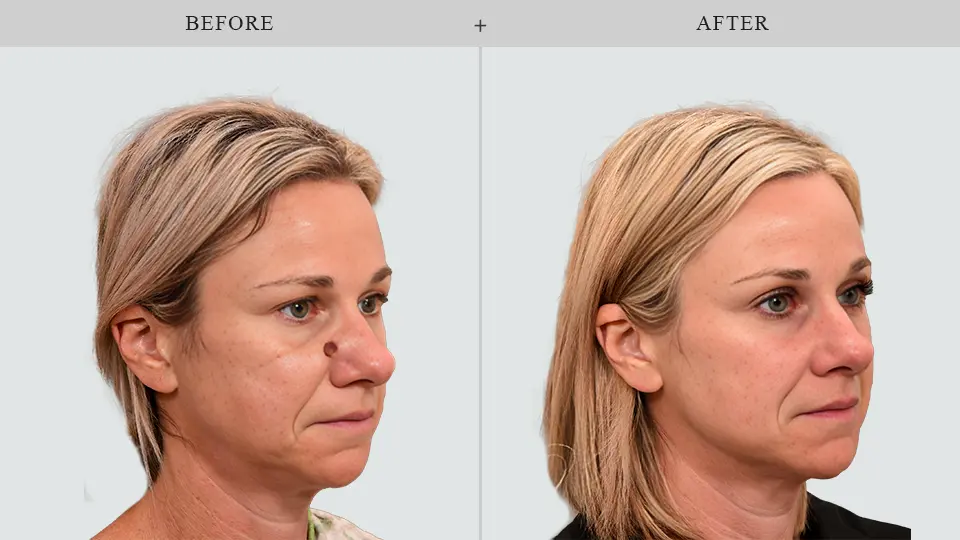
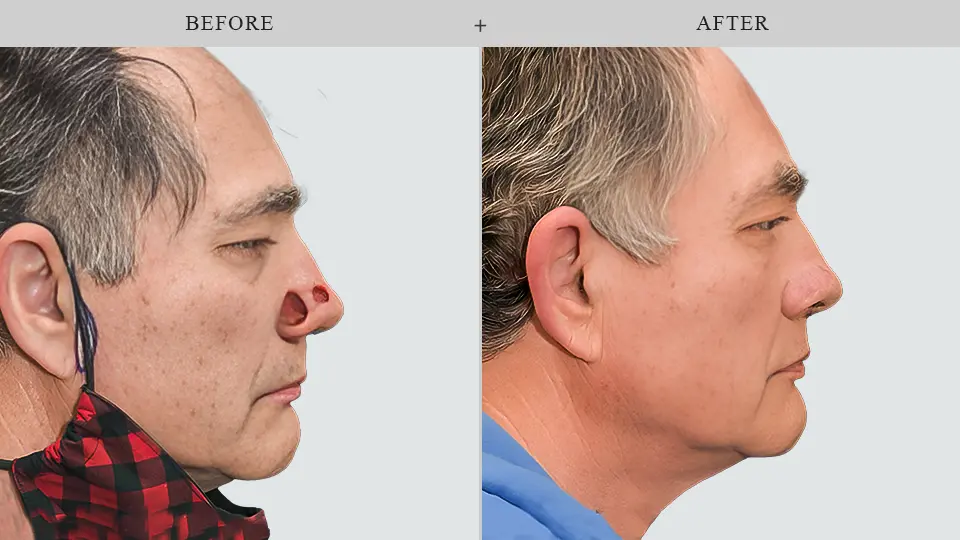
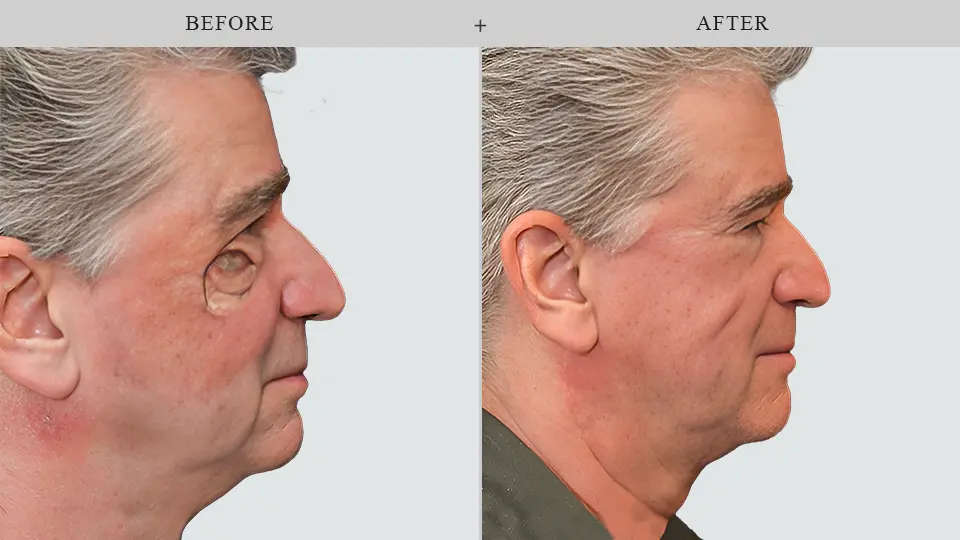
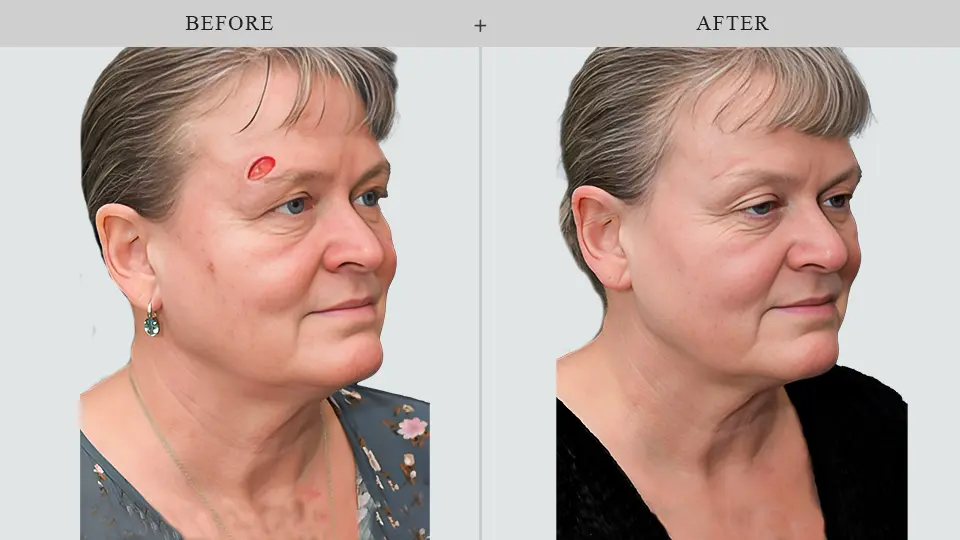
Before & After
Our patients' stunning results
What happens during skin cancer testing?
Your provider reviews the details of your skin cancer testing at your initial visit. They may remove the abnormal growth using various techniques, such as:
Shave biopsy
For a shave biopsy, your provider uses a surgical knife to shave off a layer of the growth.
Punch biopsy
They use a special tool for a punch biopsy, removing a circular piece of your skin for testing.
Excision
For an excision, your provider removes the growth and some of the healthy surrounding skin with a scalpel.
The providers at kalon Dermatology administer a local anesthetic for skin cancer testing to minimize discomfort.
Meet Our Expert Team
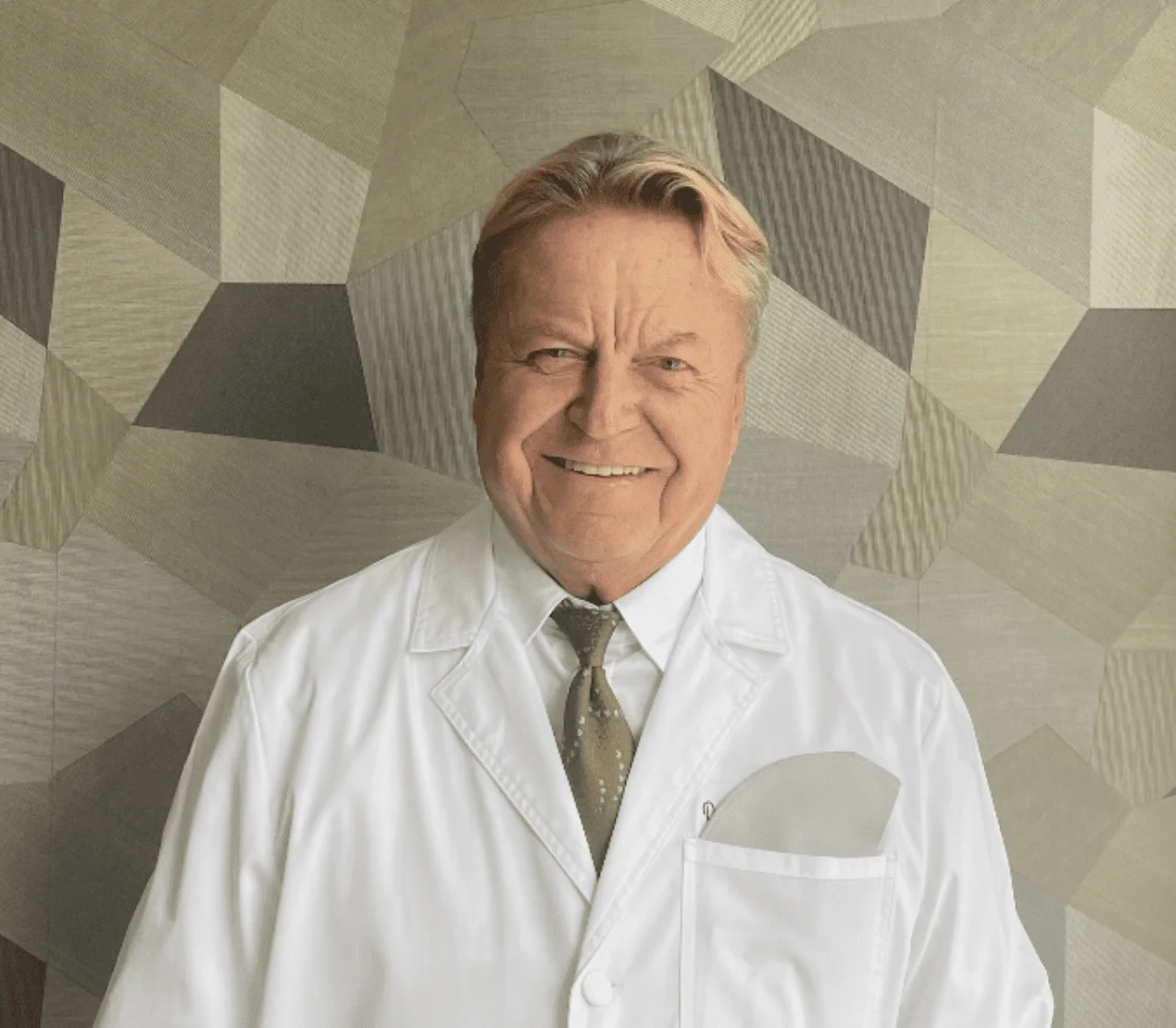
Dr. Joseph Iwanicki, MD
Medical Director
Dr. Joseph Iwanicki MD graduated from the medical Academy of Wroclaw, Poland in 1974. After moving to the US Dr. Iwanicki completed his residency training in Obstetrics and Gynecology at St. Luke’s-Roosevelt Hospital Center in New York, NY.
Dr. David Biro, M.D., Ph.D.
Board Certified Dermatologist
Dr. David Biro received his BA from the University of Pennsylvania, his MD from Columbia University, and his PhD from Oxford University. He is an Assistant Clinical Professor of Dermatology at SUNY Health Science Center at Brooklyn.
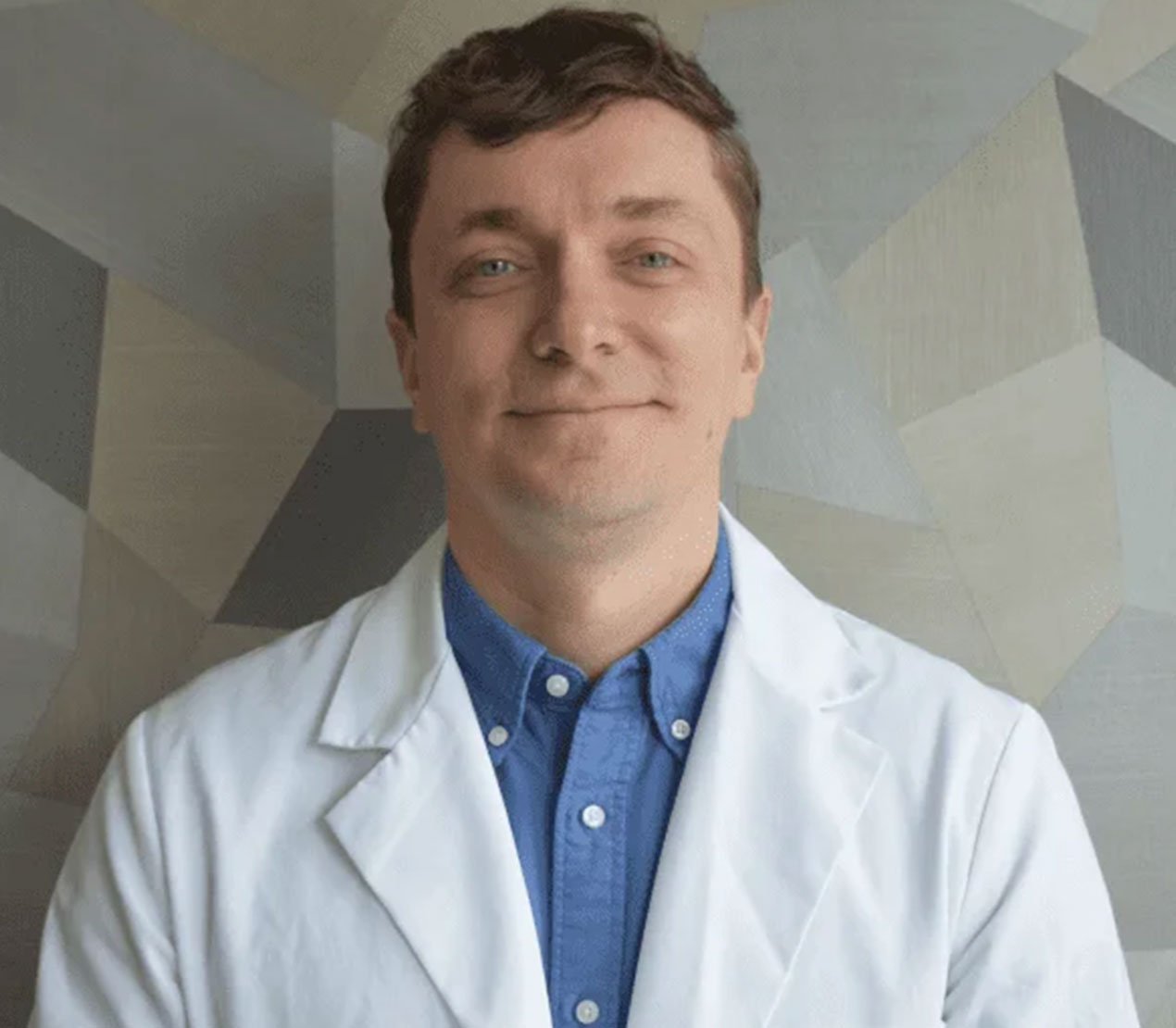
Mark Iwanicki, ND
Naturopathic Doctor
Dr. Mark Iwanicki is a licensed naturopathic doctor and acupuncturist currently practicing in NYC. Dr. Mark graduated from Cornell undergrad with a degree in pre-veterinary studies.
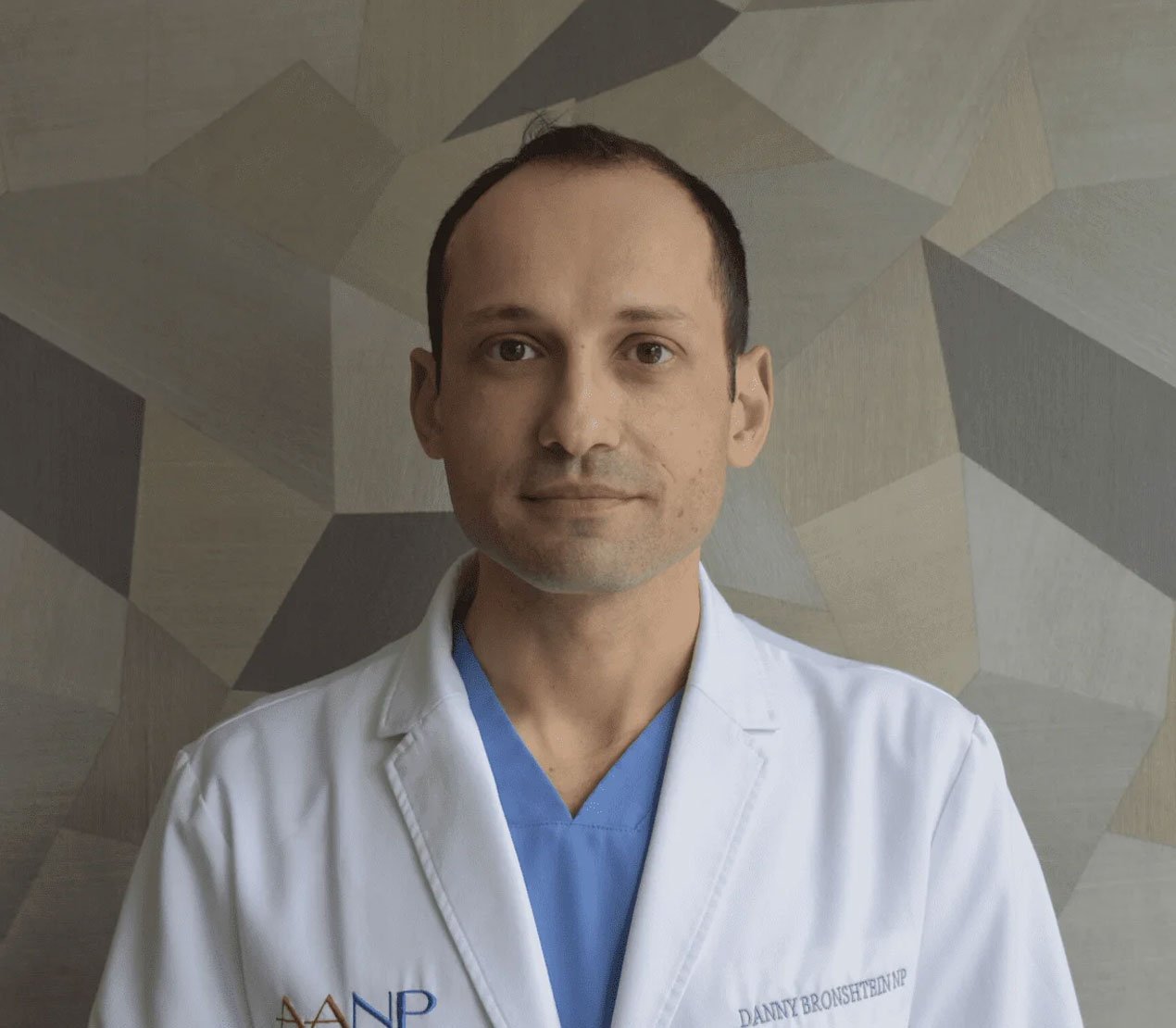
Danny Bronshtein, NP-C, MSN
Nurse Practitioner
Danny Bronshtein is a licensed and board certified Nurse Practitioner; he received his Masters of Science degree from the City University of New York.
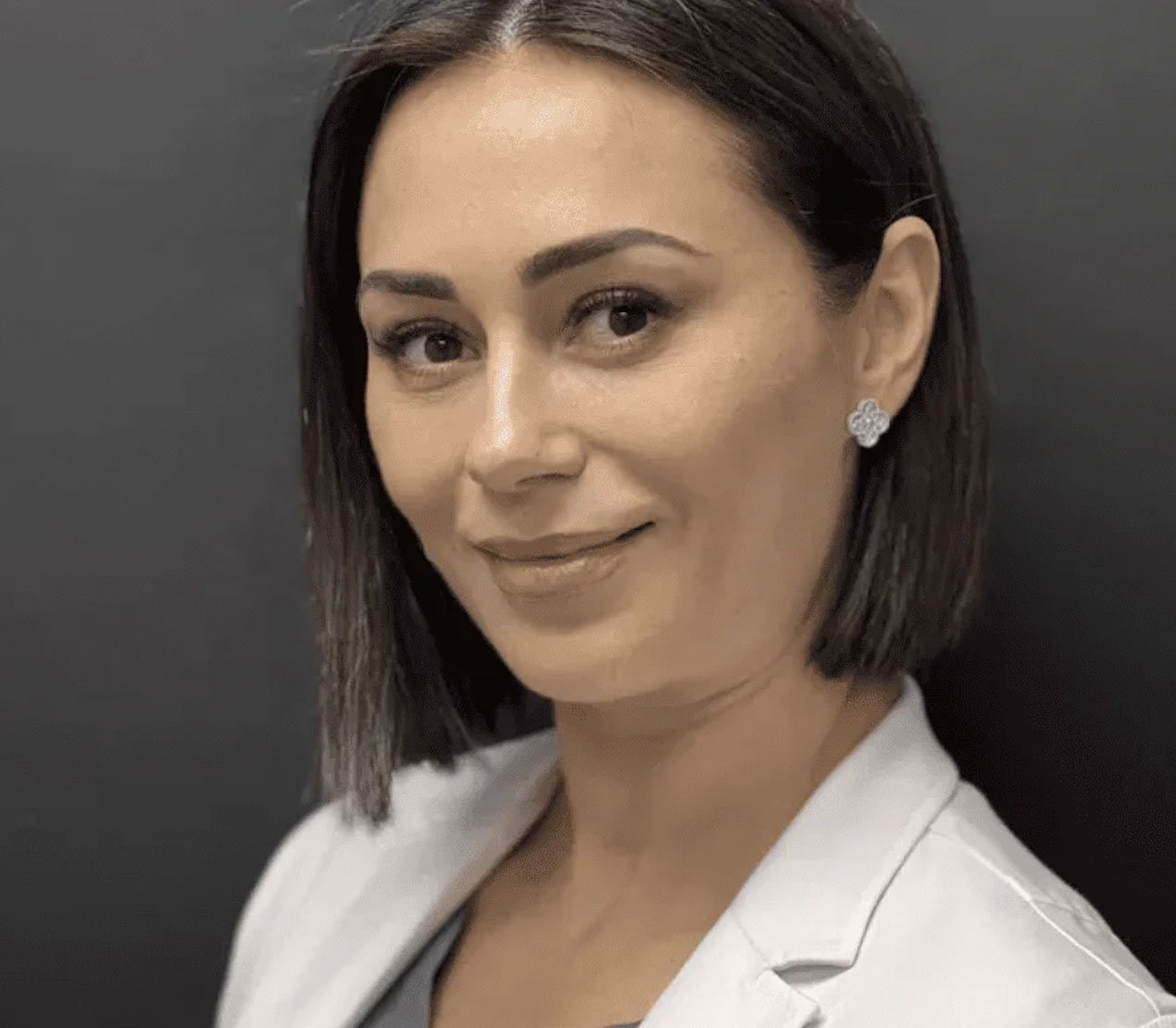
Yelena Terushkin, PA-C, MSPA
Physician Assistant
Yelena Terushkin is a licensed physician assistant in the state of New York and Florida with experience in medical, surgical and cosmetic dermatology.
What happens after skin cancer testing?
Your provider cleans and covers your wound and provides at-home care instructions. They also explain when you might expect results from your skin cancer testing.
Once your provider at kalon Dermatology has the results, they talk to you about the next steps, which may include additional procedures to remove any cancerous tissue or other cancer treatments like chemotherapy.
Skin cancer testing protects your health and wellness. Call kalon Dermatology or schedule your test online today.
Frequently Asked Questions
Common questions about skin cancer screening at kalon Dermatology
How often should I get a skin cancer screening?
The American Academy of Dermatology recommends annual full-body skin exams for most adults, and more frequent visits for people with higher risk factors. You're at higher risk if you have a personal or family history of skin cancer, a large number of moles, a history of significant sun exposure or indoor tanning, fair skin that burns easily, or a weakened immune system. Between annual visits, you should do monthly self-exams at home.
What does a skin cancer screening involve?
A full-body skin exam is a thorough, visual inspection of your skin from head to toe, including the scalp, between toes, and under fingernails. The dermatologist will look for suspicious moles, lesions, or spots using dermoscopy (a handheld magnifying instrument with a light). The exam typically takes 10 to 15 minutes. If anything looks concerning, a biopsy may be recommended at the same visit or scheduled shortly after.
What are the warning signs of skin cancer?
The ABCDE rule is the standard guide: Asymmetry (one half doesn't match the other), Border irregularity (ragged or uneven edges), Color variation (multiple shades of brown, black, red, white, or blue), Diameter (larger than a pencil eraser), and Evolving (any change in size, shape, color, or a new symptom like bleeding or itching). Basal cell carcinoma can appear as a pearly bump or a pinkish patch. When in doubt, have it checked.
What happens if a suspicious spot is found during screening?
If the dermatologist finds a spot that needs closer evaluation, they'll typically recommend a skin biopsy. This involves numbing the area with a local anesthetic and removing a small sample of tissue for lab analysis. The procedure takes only a few minutes and causes minimal discomfort. Results usually come back within 1 to 2 weeks. If the biopsy confirms skin cancer, your dermatologist will discuss the appropriate treatment, which depends on the type and stage.
Can skin cancer be prevented?
You can significantly reduce your risk. Wear broad-spectrum SPF 30 or higher sunscreen daily, reapply every 2 hours when outdoors, seek shade during peak UV hours (10 a.m. to 4 p.m.), wear protective clothing and hats, and avoid indoor tanning completely. Regular skin exams let you catch any changes early, when skin cancers are most treatable. Sun protection habits are effective at any age and make a real difference over time.