
Control rosacea symptoms and improve facial skin tone
Rosacea care in Brooklyn & Staten Island
Table of Content
- Quick Facts About Rosacea at kalon Dermatology
- Is Your Rosacea a Match for kalon Care?
- Rosacea
- What is Rosacea?
- Read Our Reviews
- How is Rosacea Diagnosed?
- Before & After Our patients’ stunning results
- How is Rosacea Treated?
- Meet Our Expert Team
- How Can Laser Treatment Help With Rosacea?
- Frequently Asked Questions
Quick Facts About Rosacea at kalon Dermatology
Condition, subtypes, provider, diagnosis, treatments, and when to seek care
Is Your Rosacea a Match for kalon Care?
Match your rosacea concern to the right kalon care pathway
Last Updated: May 2026
Rosacea
Visible facial vessels, facial flushing, and small pus-filled bumps are just some of the common issues associated with rosacea. If you have rosacea, the experienced providers at kalon Dermatology in Staten Island and the Sheepshead Bay neighborhood of Brooklyn, New York, provide personalized skin care plans for rosacea. They specialize in treating rosacea for Brooklyn and Staten Island residents. Before your rosacea leaves you feeling embarrassed or self-conscious, see how they can help. Call the office or schedule an appointment online today.
What is Rosacea?
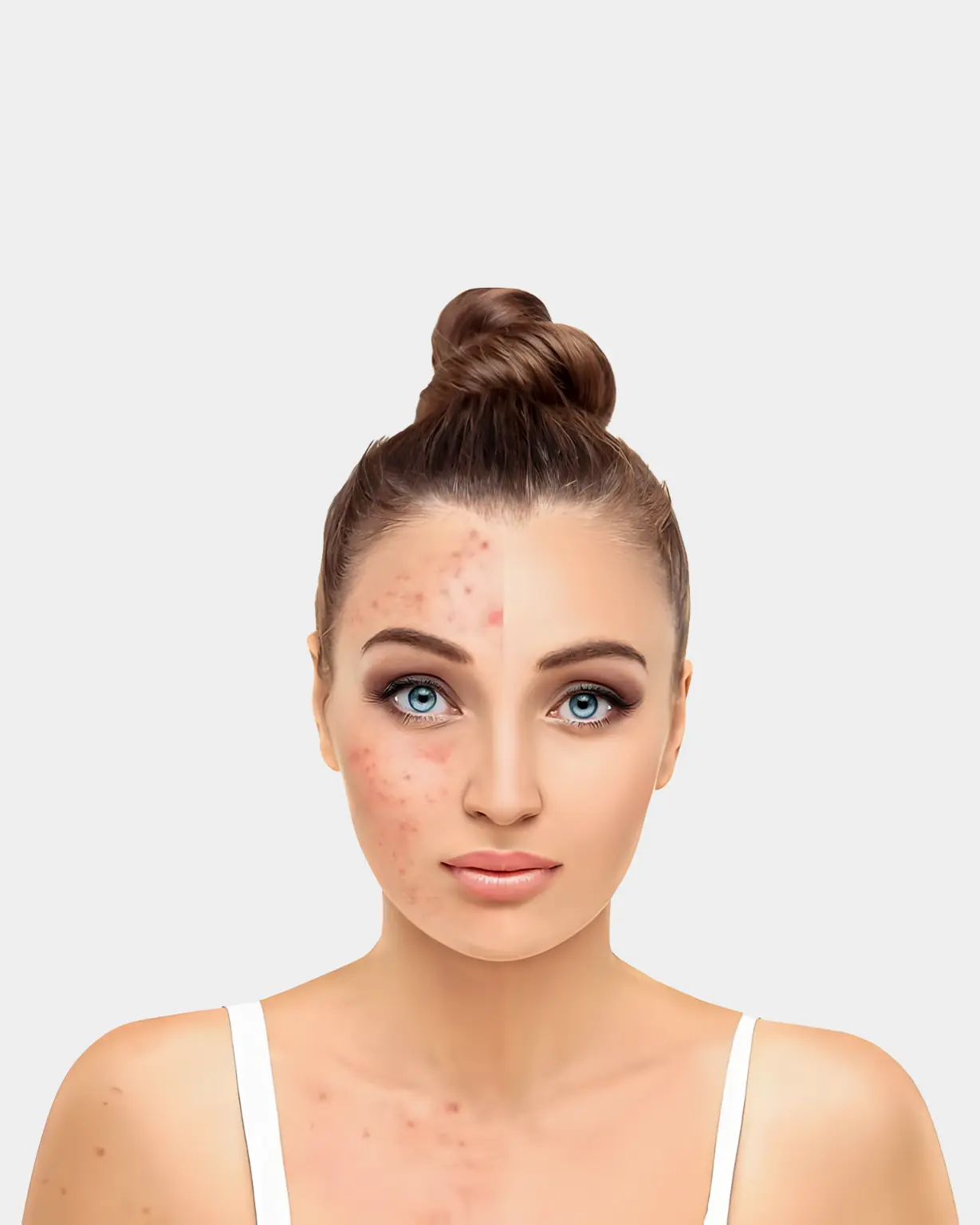
As one of the most common skin conditions, rosacea leads to flare-ups that can last for weeks or even months at a time. If you have rosacea, you may develop facial redness and flushing for no clear reason. Rosacea is also known for causing:
- Round, bulbous nose
- Warm or tender skin
- Dry, swollen, irritated eyes
- Small pus-filled bumps that resemble pimples
While health care providers aren’t clear as to why rosacea occurs, they believe that a combination of genetics and environmental factors – including sun exposure – are likely to be responsible.
In any case, no matter how minor or how severe your rosacea may be, you can get the dermatology care you need at kalon Dermatology.
Reveal Your Best Self
Book your consultation today and learn how our experienced team can support your aesthetic and skin care goals.
Read Our Reviews
Posted onTrustindex verifies that the original source of the review is Google. The service was outstanding, and the office was incredibly clean and well-maintained. The doctor was very thorough, taking the time to answer all of my questions without rushing through the appointment. I felt genuinely cared for and valued as a patient. I would highly recommend this office to anyone looking for top-quality care. 10/10—highly impressed and satisfied!Posted onTrustindex verifies that the original source of the review is Google. Very nice doctor ✨replied to all my questions, did procedure and gave me reception. Amiable and wasn’t in rush 👍🏽 thank you , highly reccomendedPosted onTrustindex verifies that the original source of the review is Google. I love this place it's really nice and clean and they are always so nice but the main reason I come if for Dr.Danny he is the best and very knowledgeable he will recommend whats best and won't try to sell you bs. I would highly recommend him for dermatological and cosmetic services.Posted onTrustindex verifies that the original source of the review is Google. My experience have been amazing Dr. Tatiana Davydova has wealth of experience and expertise she has soft hands i had a few procedures done and the results are amazing Staff is friendly office is clean and nicely decorated I'm glad i found kalon Dermatology

How is Rosacea Diagnosed?
Your provider at kalon Dermatology examines your skin for signs of rosacea, including redness, flushing, and enlarged blood vessels. They also ask about your overall skin care, which may include the facial products you use, detergents, or soaps.
Rosacea can often look like other health conditions, so your provider evaluates your skin health to rule out other causes.
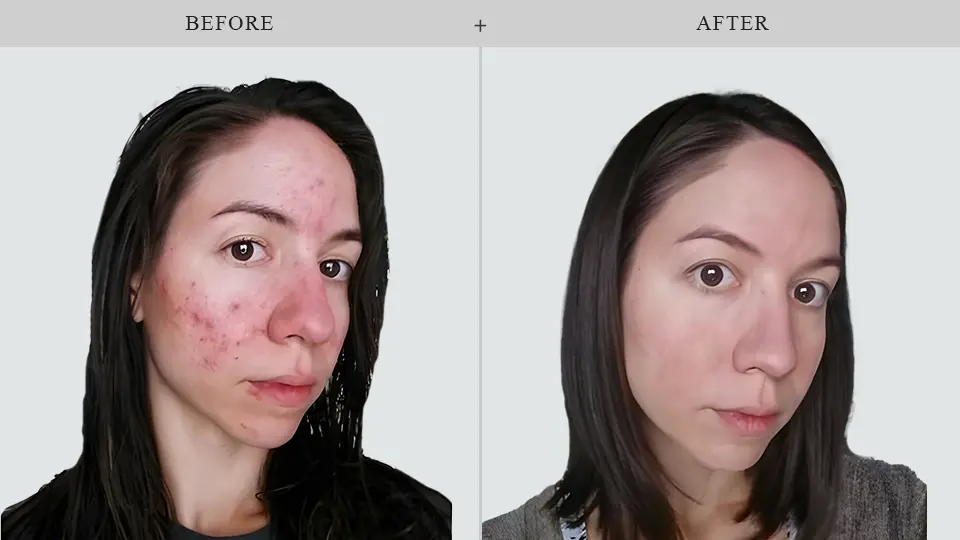
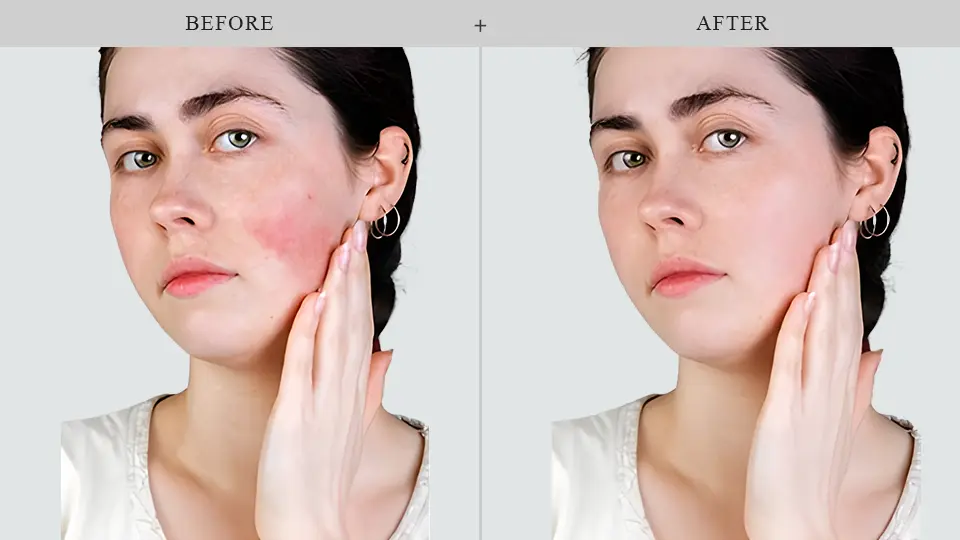
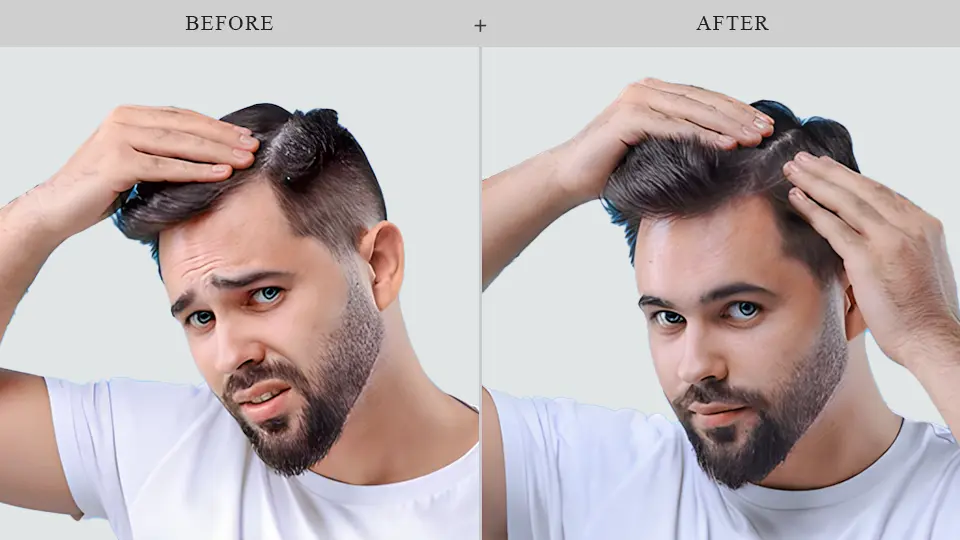
Before & After
Our patients' stunning results

How is Rosacea Treated?
Treatment for rosacea depends on the cause of your flare-ups. Common triggers include stress, spicy food, and warm temperatures. Determining your triggers can help prevent rosacea flare-ups and help you enjoy healthy, clear skin.
If you have mild to moderate rosacea, your provider might recommend topical gels or creams that constrict blood vessels to help reduce facial redness. However, if you have rosacea pimples, you might need antibiotic creams or anti-inflammatory medications.
You also want to avoid using harsh deodorant soaps, toners, and astringents on your skin. Managing your diet and nutrition can help improve your skin’s condition as well.
Meet Our Expert Team
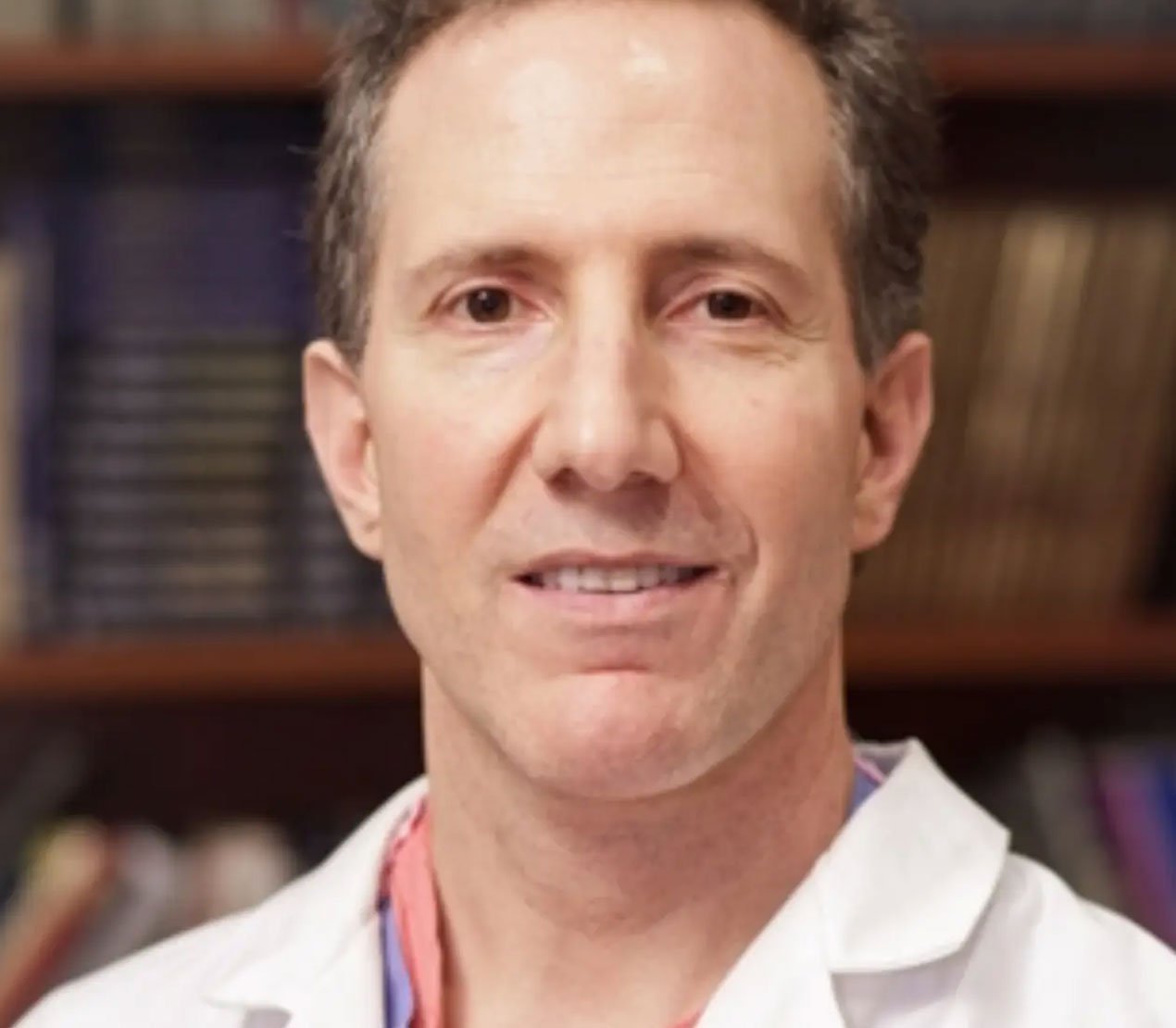
Dr. David Biro, M.D., Ph.D.
Board Certified Dermatologist
Dr. David Biro received his BA from the University of Pennsylvania, his MD from Columbia University, and his PhD from Oxford University. He is an Associate Clinical Professor of Dermatology at SUNY Downstate Health Sciences University.
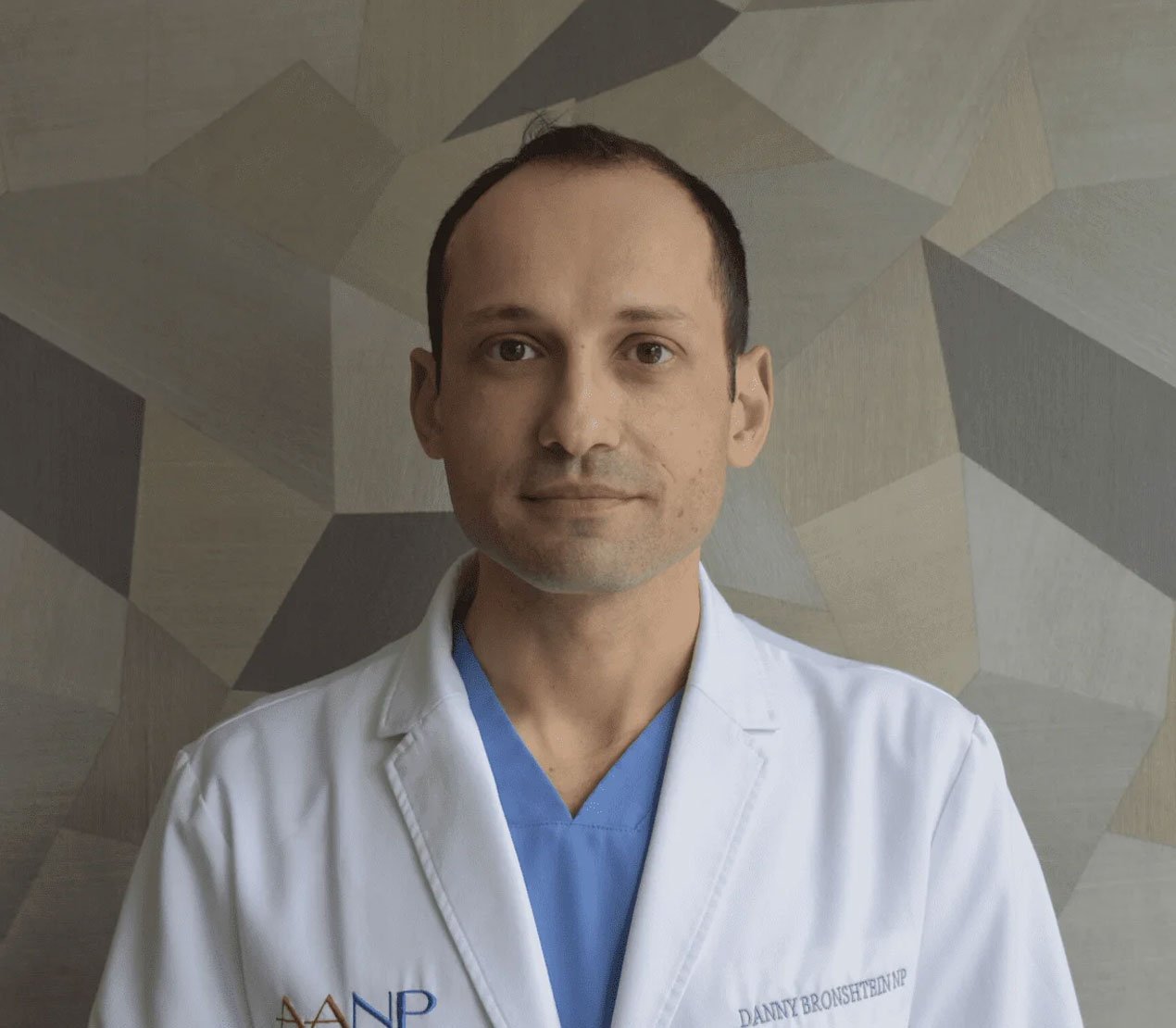
Danny Bronshtein, NP-C, MSN
Nurse Practitioner
Danny Bronshtein is a licensed and board certified Nurse Practitioner; he received his Masters of Science degree from the City University of New York.
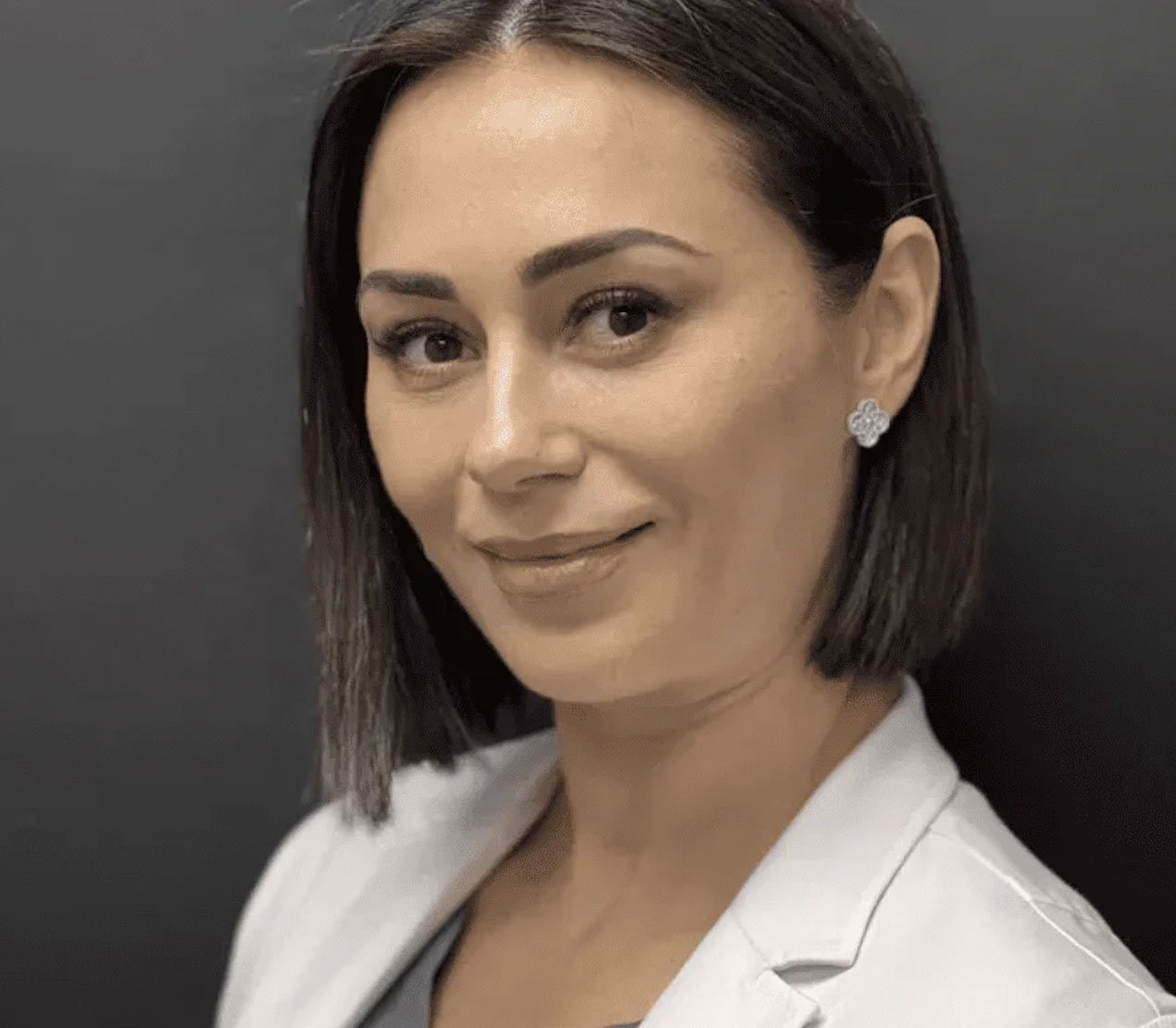
Yelena Terushkin, PA-C, MSPA
Physician Assistant
Yelena Terushkin is a licensed physician assistant in the state of New York and Florida with experience in medical, surgical and cosmetic dermatology.
How Can Laser Treatment Help With Rosacea?
Lasers are one of the most in-demand and fast-acting solutions available. Using medical laser technology, kalon Dermatology can reduce the appearance of your rosacea and restore your even-toned skin.
Laser rosacea treatments can target unwanted vessels in your skin. This energy destroys the tiny vessels, causing them to break down and turn into scar tissue, without damaging the surrounding skin. As blood recirculates, your body naturally starts eliminating treated vessels.
Over time, unsightly veins fade away, which leaves you with beautiful, more youthful-looking skin. No needles and no surgery needed. Rosacea treatments are virtually painless and can even be completed during your break.
If you struggle with rosacea in Brooklyn or Staten Island and need expert dermatology care, call kalon Dermatology or schedule your consultation online today.
Frequently Asked Questions
Common questions about rosacea treatment at kalon Dermatology
What is rosacea and what causes it?
Rosacea is a chronic inflammatory skin condition that primarily affects the face, causing persistent redness, visible blood vessels, and sometimes acne-like bumps. Its exact cause isn't fully understood, but it involves abnormal immune responses, vascular reactivity, and skin barrier dysfunction. Genetics play a role, as does a mite called Demodex folliculorum that lives naturally on facial skin. People with lighter skin tones are more commonly affected, though rosacea can occur in any skin type.
What are the main triggers for rosacea flares?
Common triggers include sun exposure, heat, hot beverages, spicy foods, alcohol (especially red wine), exercise, cold or windy weather, stress, certain skincare products with alcohol or fragrance, and some medications that dilate blood vessels. Triggers vary considerably between individuals. Keeping a simple diary noting what precedes flares is one of the most practical steps you can take. Avoiding triggers won't cure rosacea, but it meaningfully reduces the frequency and intensity of flares.
Can rosacea be cured?
Rosacea can't be cured, but it can be well controlled. Many patients achieve long periods with minimal symptoms through a combination of trigger avoidance, a gentle skincare routine, consistent sun protection, and appropriate medical treatment. Topical medications like azelaic acid, metronidazole, and ivermectin cream are effective for inflammatory lesions. Oral antibiotics in low doses help with moderate flares. Laser and light treatments reduce visible blood vessels and persistent redness. Managing rosacea is a long-term process, but the right approach keeps most patients comfortable.
How do I know if I have rosacea or just sensitive skin?
Sensitive skin reacts temporarily to products or environmental factors and then calms down. Rosacea involves persistent redness that doesn't fully resolve, visible blood vessels (telangiectasias), recurrent flushing triggered by specific factors, and often inflammatory bumps or pimples on the central face. If you're seeing a pattern of redness or flushing that returns repeatedly, particularly with triggers like heat, alcohol, or sun, a dermatologist visit will clarify whether it's rosacea and what treatment makes sense.
What skincare routine is safe for rosacea-prone skin?
Keep it simple and gentle. Use a mild, fragrance-free cleanser, rinse with lukewarm water, and pat (don't rub) dry. Moisturize daily with a fragrance-free, non-comedogenic product to support the skin barrier. Apply broad-spectrum SPF 30 or higher every morning (mineral sunscreens with zinc oxide or titanium dioxide tend to be better tolerated). Avoid products with alcohol, witch hazel, strong exfoliants, and fragrances. Introduce any new product slowly, one at a time, so you can identify if something is causing a reaction.