
Soothe eczema and restore your skin’s natural strength
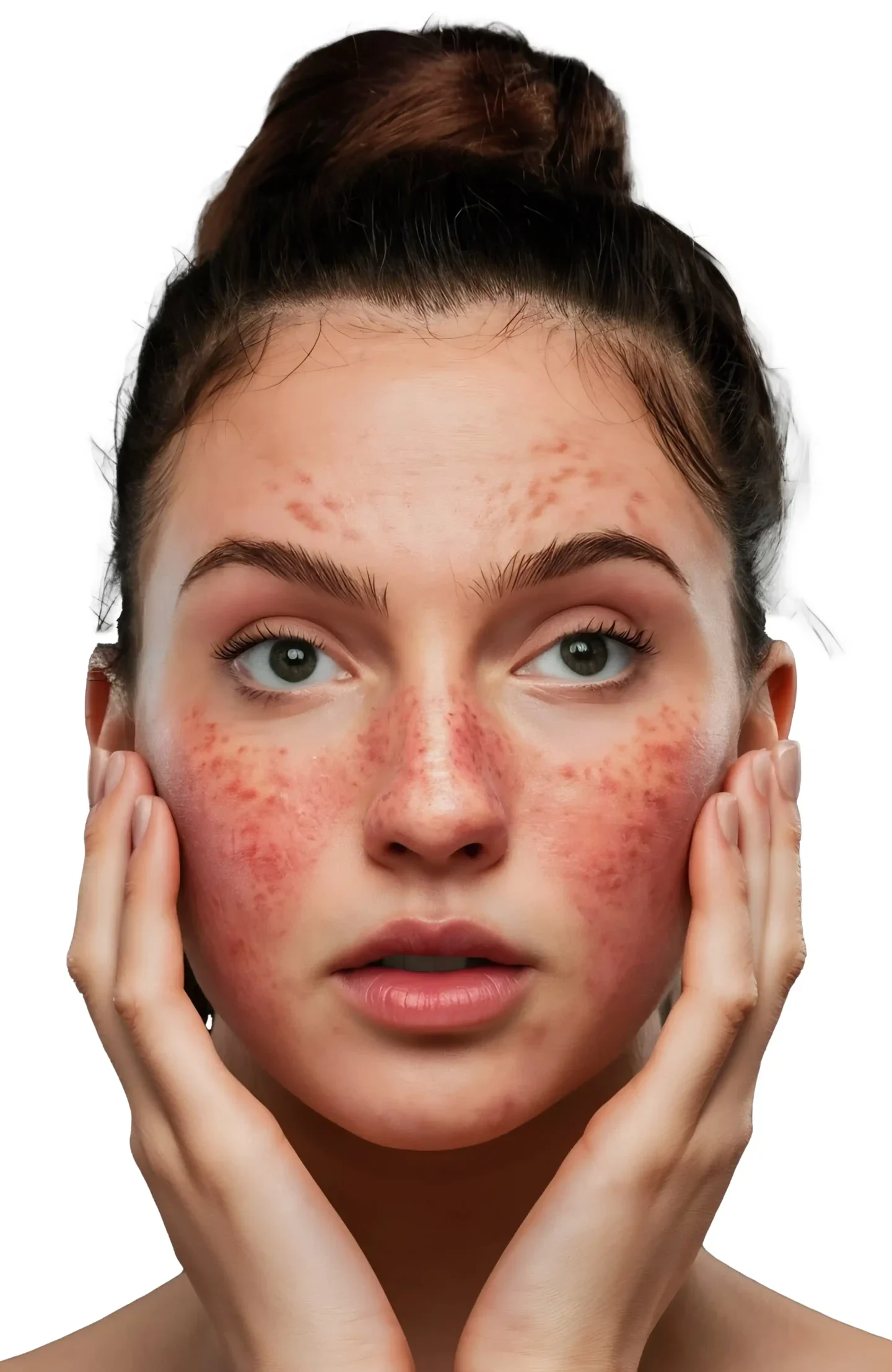
Table of Content
- Quick Facts About Eczema at kalon Dermatology
- Is Your Eczema a Match for kalon Care?
- Eczema
- What is Eczema?
- Read Our Reviews
- What Are Some of the Common Types of Eczema?
- Before & After Our patients’ stunning results
- What Happens During an Eczema Evaluation?
- Meet Our Expert Team
- What Are the Treatments For Eczema?
- Frequently Asked Questions
Quick Facts About Eczema at kalon Dermatology
Condition, types, provider, diagnosis, treatments, and when to seek care
Is Your Eczema a Match for kalon Care?
Match your eczema concern to the right kalon care pathway
Last Updated: May 2026
Eczema
Eczema for Brooklyn and Staten Island residents is not an uncommon skin condition. It can affect individuals of all ages, though it often first appears during infancy or childhood. At kalon Dermatology, we understand the challenges of managing eczema and offer personalized treatment plans to effectively address the needs of those in Brooklyn and Staten Island.
What is Eczema?
Eczema is a general medical term used to describe irritated, inflamed, and itchy skin. It’s a common condition that comes in many types and causes varying symptoms.
You can develop eczema at any age, but it usually first appears during infancy or childhood. The skin condition may come and go, but it’s a chronic skin disease. People with a history of hay fever or asthma are more likely to have eczema.
Treatment for eczema focuses on reducing flare-ups. At kalon Dermatology, we focus on helping our patients from Brooklyn and Staten Island manage their eczema effectively through personalized treatment plans.
Reveal Your Best Self
Book your consultation today and learn how our experienced team can support your aesthetic and skin care goals.
Read Our Reviews
Posted onTrustindex verifies that the original source of the review is Google. The service was outstanding, and the office was incredibly clean and well-maintained. The doctor was very thorough, taking the time to answer all of my questions without rushing through the appointment. I felt genuinely cared for and valued as a patient. I would highly recommend this office to anyone looking for top-quality care. 10/10—highly impressed and satisfied!Posted onTrustindex verifies that the original source of the review is Google. Very nice doctor ✨replied to all my questions, did procedure and gave me reception. Amiable and wasn’t in rush 👍🏽 thank you , highly reccomendedPosted onTrustindex verifies that the original source of the review is Google. I love this place it's really nice and clean and they are always so nice but the main reason I come if for Dr.Danny he is the best and very knowledgeable he will recommend whats best and won't try to sell you bs. I would highly recommend him for dermatological and cosmetic services.Posted onTrustindex verifies that the original source of the review is Google. My experience have been amazing Dr. Tatiana Davydova has wealth of experience and expertise she has soft hands i had a few procedures done and the results are amazing Staff is friendly office is clean and nicely decorated I'm glad i found kalon Dermatology
What Are Some of the Common Types of Eczema?

Eczema types have different triggers and symptoms. Here is a list of the common types of eczema.
Atopic dermatitis
Atopic dermatitis is a long-term skin condition that causes dry, itchy, and scaly skin. This type develops when there’s a breakdown in your skin’s barrier function, making it more sensitive to outside elements.
Contact dermatitis
Contact dermatitis causes a red, itchy rash after your skin comes in contact with an allergen or irritant. Poison ivy is a type of contact dermatitis.
Dyshidrotic eczema
People with dyshidrotic eczema develop blisters and itchy skin. Researchers theorize that this type of eczema results from allergies or stress.
Neurodermatitis
Neurodermatitis, also called lichen simplex chronicus, causes a cycle of itching and scratching on a patch of skin. The itch is intense, making it hard to stop scratching.
Nummular eczema
Nummular eczema is a chronic skin condition that causes coin-shaped welts on the skin that ooze fluid. Allergies, skin infections, and dry skin may cause this type of eczema.
Seborrheic dermatitis
Seborrheic dermatitis causes dry, flaky skin on the scalp, leading to dandruff.
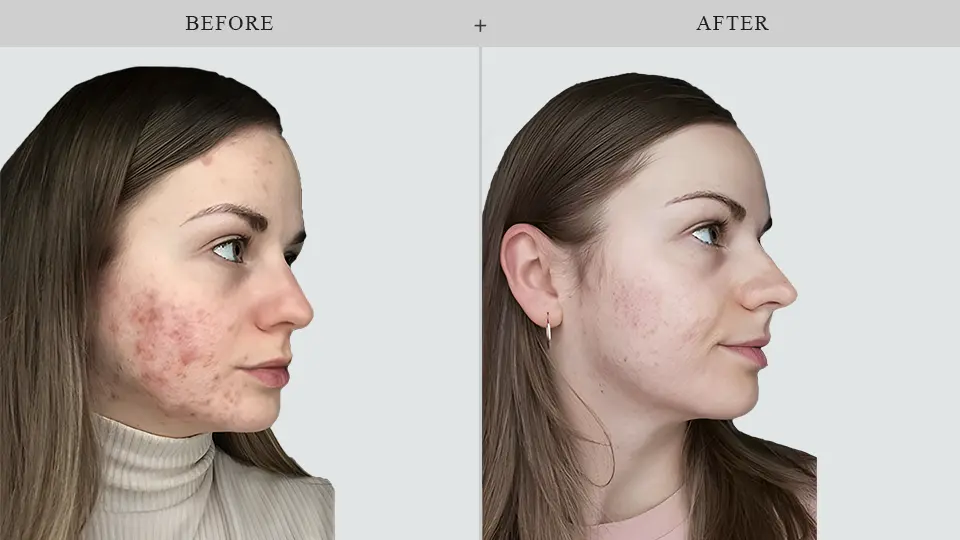
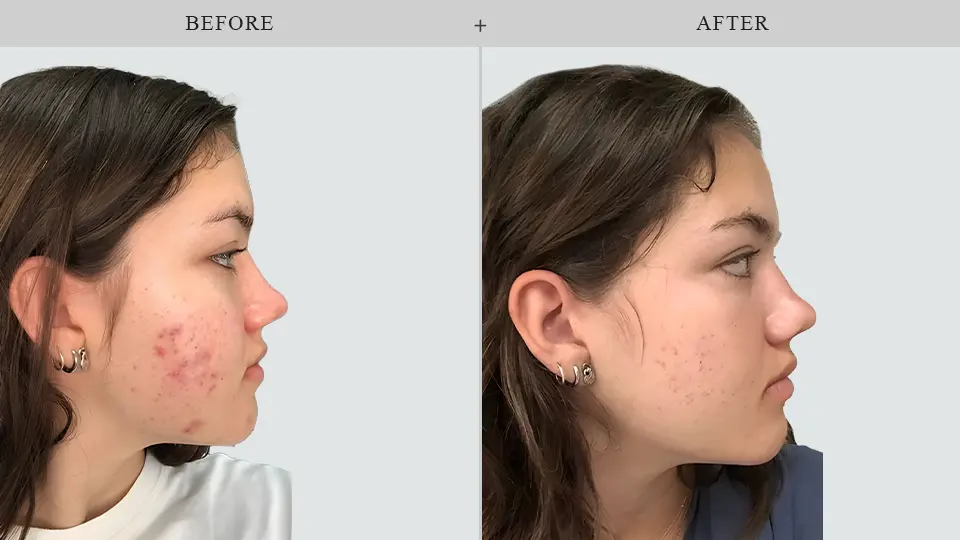
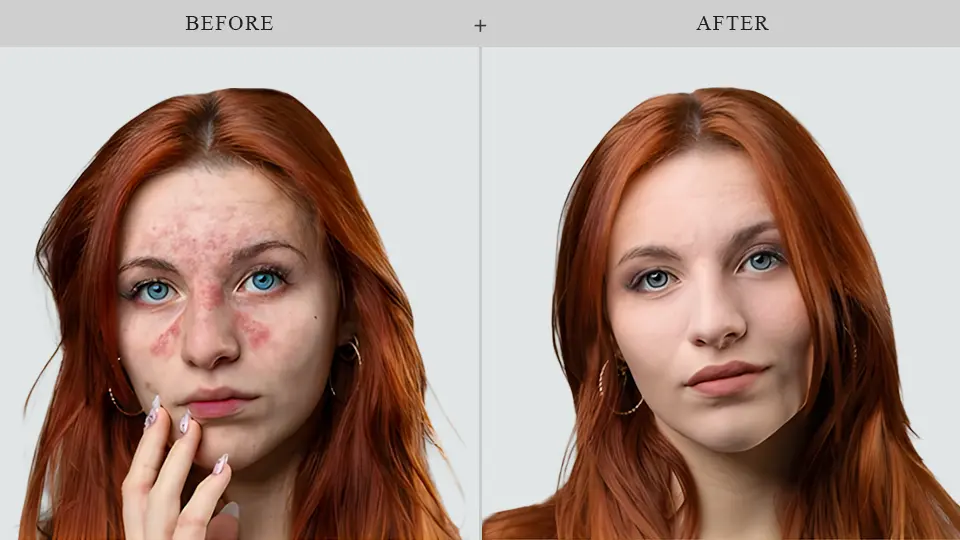
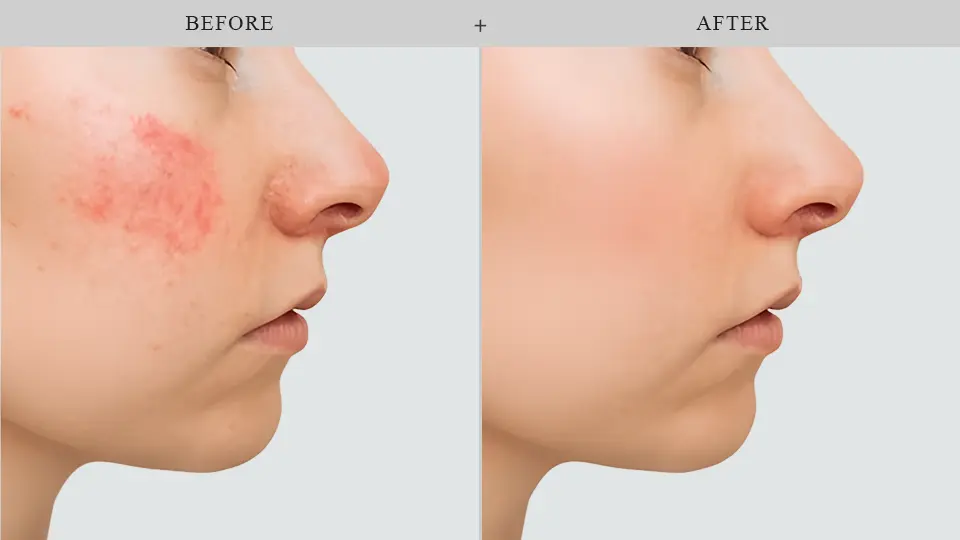
Before & After
Our patients' stunning results
What Happens During an Eczema Evaluation?
At kalon Dermatology, our team of experts performs thorough evaluations to accurately diagnose the type of eczema you have. We may conduct a skin biopsy or allergy tests to identify the cause of your flare-ups and develop the most effective treatment plan.

Meet Our Expert Team

Dr. David Biro, M.D., Ph.D.
Board Certified Dermatologist
Dr. David Biro received his BA from the University of Pennsylvania, his MD from Columbia University, and his PhD from Oxford University. He is an Associate Clinical Professor of Dermatology at SUNY Downstate Health Sciences University.
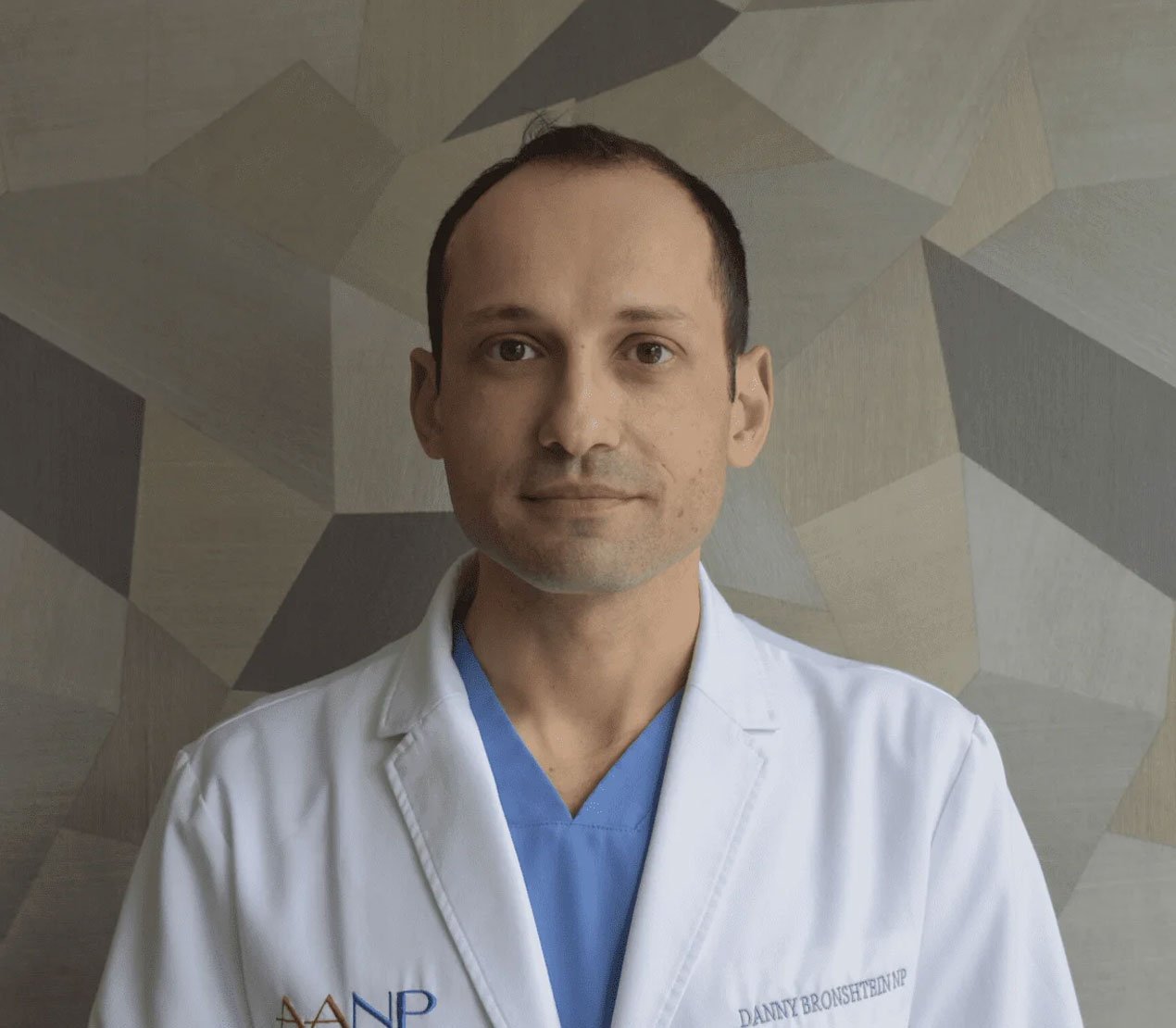
Danny Bronshtein, NP-C, MSN
Nurse Practitioner
Danny Bronshtein is a licensed and board certified Nurse Practitioner; he received his Masters of Science degree from the City University of New York.
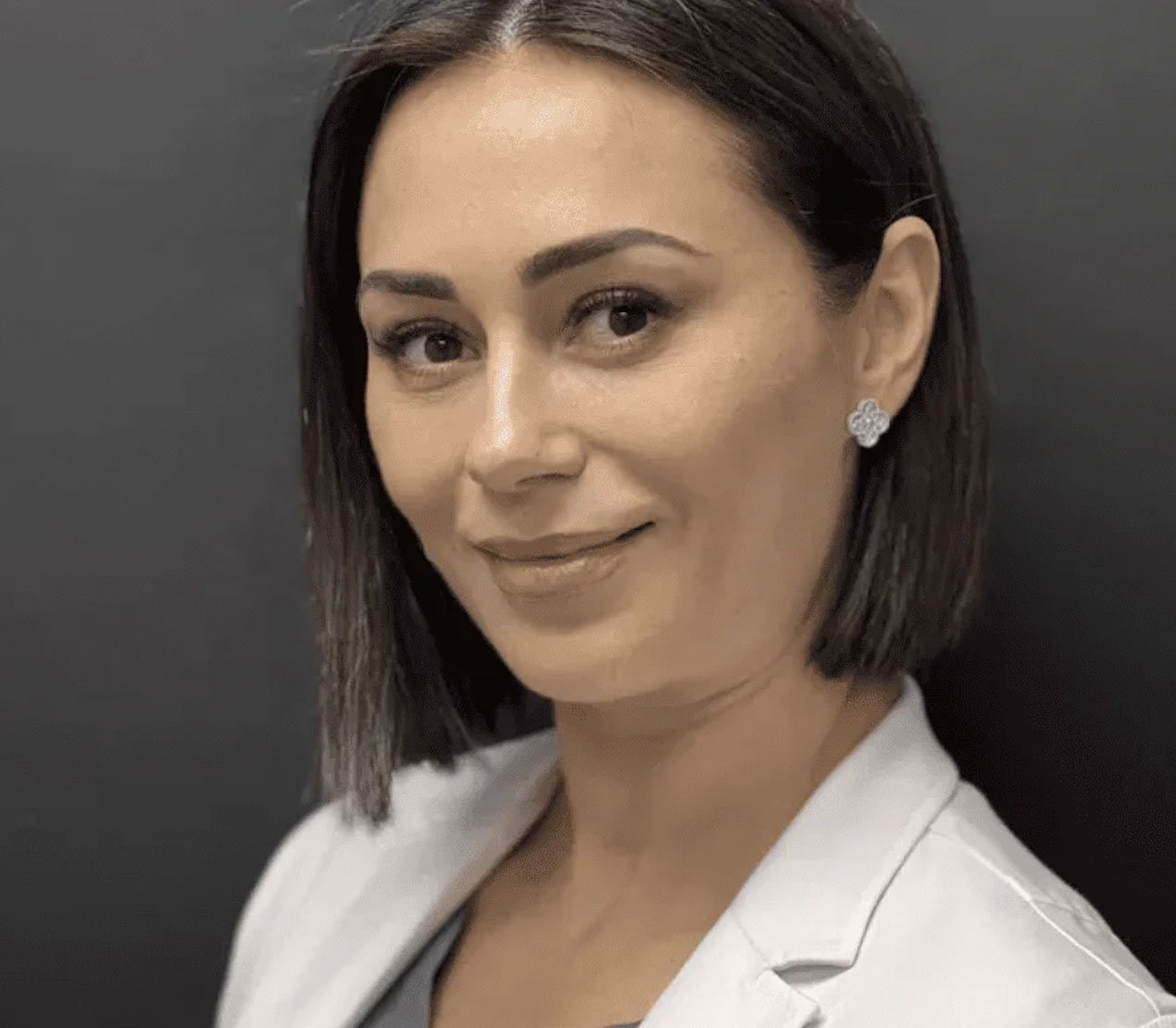
Yelena Terushkin, PA-C, MSPA
Physician Assistant
Yelena Terushkin is a licensed physician assistant in the state of New York and Florida with experience in medical, surgical and cosmetic dermatology.

What Are the Treatments For Eczema?
kalon Dermatology takes an individualized approach to skin care, customizing your eczema plan based on type and severity of symptoms. Treatment may include:
- Corticosteroid creams
- Antibiotics for bacterial infections
- Antihistamines for allergies
- Topical calcineurin inhibitors to improve skin barrier function
- Phototherapy
- Regular warm baths
- Daily skin moisturizing
- Using mild soaps and detergents
Your provider also talks to you about your eczema triggers and the steps you can take to avoid them.
If you are seeking effective eczema treatment for Brooklyn and Staten Island, kalon Dermatology is here to help. To determine the best approach to care, call kalon Dermatology or schedule your eczema appointment online today.
Frequently Asked Questions
Q:
can you treat eczema with isotretinoin
A:
Eczema is usually not treated with isotretinoin. The medications for eczema are usually steroids, moisturizers, and anti-inflammatory creams. Isotretinoin is commonly used for acne.
Q:
can you tattoo over eczema
A:
The common recommendation is to avoid any skin irritation over areas with eczema, and that includes tattoos. Tattooing over eczema is not recommended due to the possibility of causing further skin damage.
Frequently Asked Questions
Common questions about eczema treatment at kalon Dermatology
What is eczema and what causes it?
Eczema (atopic dermatitis) is a chronic inflammatory skin condition where the skin barrier doesn't function properly, making it prone to dryness, irritation, and flares. The exact cause involves a combination of genetic factors (particularly mutations in the filaggrin gene) and an overactive immune response. Environmental triggers like soaps, detergents, sweat, pet dander, and temperature changes can provoke flares. It's not contagious and it's not caused by poor hygiene.
What's the difference between eczema and psoriasis?
Both cause red, inflamed, itchy skin, but they're distinct conditions with different underlying mechanisms and treatments. Eczema is driven by a dysfunctional skin barrier and an allergic-type immune response, usually starting in childhood. Psoriasis is an autoimmune condition where skin cells turn over too rapidly, creating thick, scaly plaques. Eczema tends to appear in skin folds (inner elbows, backs of knees), while psoriasis more commonly appears on elbows, knees, and the scalp. A dermatologist can distinguish them on examination.
Can eczema be cured?
There's currently no cure for eczema, but it can be managed effectively. Many children improve or outgrow it by adulthood. For those who don't, treatment can reduce flares significantly and keep skin comfortable. Options range from daily moisturizing and trigger avoidance to prescription topical corticosteroids, non-steroidal topicals like crisaborole or tacrolimus, dupilumab (a biologic injection), and newer oral JAK inhibitors. With the right plan, most patients achieve good long-term control.
What triggers eczema flares?
Common triggers include harsh soaps and detergents, fragrances, wool or synthetic fabrics, extreme temperatures, sweating, stress, certain foods (especially in children), dust mites, pet dander, and mold. Triggers vary between individuals. Keeping a simple diary of flares and what preceded them can help identify your personal triggers. Patch testing with a dermatologist can confirm contact allergen triggers if the pattern is unclear.
When should I see a dermatologist for eczema?
See a dermatologist if your eczema is affecting sleep or daily activity, if over-the-counter moisturizers and mild hydrocortisone aren't controlling it, if you're having frequent flares, if the skin looks infected (yellow crusting, warmth, spreading redness), or if you've never had a formal diagnosis. A dermatologist can confirm the diagnosis, identify your triggers, and build a treatment plan that goes beyond what's available without a prescription.