
Dr. Michael Gladstein, MD
Board-Certified Dermatologist
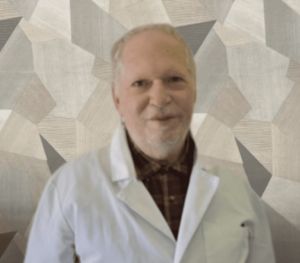
Personal Philosophy
“My philosophy is to provide dermatologic care that is both thorough and compassionate. I believe every patient deserves clear explanations and treatment tailored to their unique needs.” – Dr. Michael Gladstein
Credentials at a Glance
- Board Certification: American Board of Dermatology (Verified on Certification Matters)
- Medical Degree: New York University School of Medicine (1979)
- Internship: Internal Medicine, Mount Sinai Medical Center of Florida (1979–1980)
- Residency: Dermatology, NYU Grossman School of Medicine (1980–1983)
- Practice Experience: 43+ years in dermatology
- Awards: Castle Connolly Top Doctor, New York Metro Area (2005–2009)
- Languages: English, Cantonese, French, Spanish
Biography
Dr. Michael Gladstein has been practicing dermatology for more than 43 years. He graduated from NYU School of Medicine in 1979 and completed his internship in internal medicine at Mount Sinai Medical Center of Florida before returning to NYU for his dermatology residency, which he finished in 1983. Since then, he has dedicated his career to the diagnosis and treatment of skin conditions for patients of all ages.
His longevity in the field is not just a number. Over four decades, Dr. Gladstein has seen how dermatology has changed, watched treatments improve, and developed the kind of clinical judgment that only comes from years of seeing patients in real-world practice. He treats the full range of skin conditions, from chronic diseases like psoriasis and eczema to skin cancer detection, acne, rosacea, nail disorders, and benign growths.
Castle Connolly named Dr. Gladstein a Top Doctor in the New York Metro Area from 2005 through 2009, a recognition that reflects both peer respect and patient trust. He is board-certified by the American Board of Dermatology, a credential that requires passing rigorous examinations and maintaining continued education throughout a physician’s career.
Dr. Gladstein’s approach to patient care centers on clarity. He believes that a patient who understands their diagnosis and their treatment options is better equipped to participate in their own care. He takes time in each appointment to explain what he’s seeing, why he’s recommending a particular course of treatment, and what to expect going forward.