
Medically reviewed by Dr. David Biro, MD, PhD – Board-Certified Dermatologist | 30+ Years Experience | Last Updated: March 2026
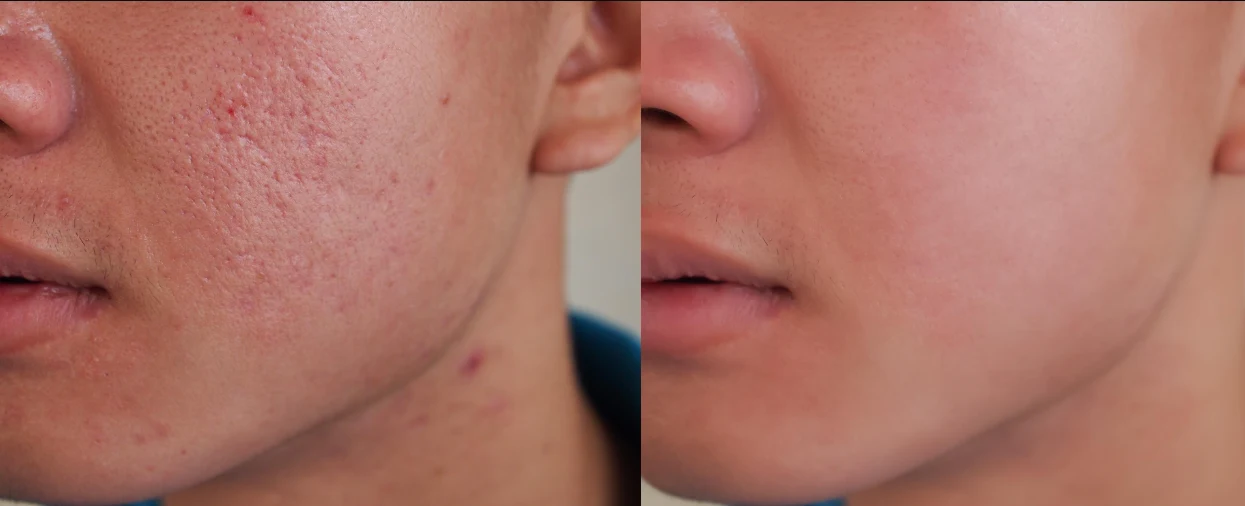
Yes, facials can help acne. Professional facials deep cleanse your pores, remove the buildup of oil and dead skin cells that cause breakouts, and allow acne treatments to penetrate your skin more effectively. At kalon Dermatology, facials provided by licensed and trained professionals help clear inflammatory acne and improve the absorption of any medications you may be using to reduce breakouts.
However, not all facials are designed for acne prone skin, and getting the wrong type of facial can actually make breakouts worse. Understanding which facials help acne, how they work, and when you might need more than a facial will help you make the best decision for your skin.
How Facials Help Clear Acne
Acne forms when pores become clogged with oil, dead skin cells, and bacteria. When this buildup gets trapped beneath the surface, it creates blackheads, whiteheads, and inflamed pimples. Facials address acne by targeting these underlying causes.
Deep cleansing removes surface oil, dirt, and debris that daily cleansing may miss. Professional cleansers penetrate deeper than over the counter products, giving your pores a more thorough clean.
Exfoliation removes the layer of dead skin cells that can trap oil inside your pores. By clearing away this buildup, facials help prevent new clogs from forming.
Professional extractions clear existing blackheads and whiteheads safely. When performed by a trained professional, extractions remove pore blockages without spreading bacteria or causing the scarring that often results from picking at home.
Antibacterial treatments used during facials can reduce the bacteria that contribute to acne inflammation. Ingredients like salicylic acid and benzoyl peroxide target acne causing bacteria directly.
Better product absorption is one of the most important benefits. After a facial removes the barrier of dead skin and oil, your acne medications and skincare products can penetrate more effectively and work better.
Regular facials help keep pores clear so breakouts are less likely to form in the first place. For many people with mild to moderate acne, consistent professional facials combined with a good at home routine can significantly improve their skin.
Best Types of Facials for Acne Prone Skin
Not every facial is right for acne. Some facials focus on hydration or anti-aging and may include heavy, pore clogging ingredients that can trigger breakouts. When you have acne prone skin, you need facials specifically designed to clear and balance oily, congested skin.
Deep cleansing facials focus on thoroughly cleaning out pores and removing excess oil. These facials typically include steam to open pores, extractions to clear blackheads and whiteheads, and purifying masks to absorb oil.
Chemical peel facials use acids like salicylic acid or glycolic acid to exfoliate the skin and unclog pores. Salicylic acid is especially effective for acne because it is oil soluble, meaning it can penetrate into clogged pores and break up the buildup inside.
LED light therapy facials use specific wavelengths of light to target acne. Blue light kills the bacteria that cause acne inflammation. Red light reduces inflammation and promotes healing. Many dermatology practices combine LED therapy with other facial treatments for enhanced results.
HydraFacial is a gentle option that cleanses, extracts, and hydrates without irritation. The vortex suction technology clears pores effectively while infusing the skin with hydrating serums that do not clog pores.
When booking a facial for acne, be clear about your skin concerns. Your provider should select products and techniques specifically suited to acne prone skin, avoiding heavy creams or oils that could trigger breakouts.
What About Extractions? Are They Safe for Acne?
Extractions are one of the most effective parts of an acne facial, but they must be done correctly. When a trained professional performs extractions, they can clear clogged pores without damaging your skin.
Professional extractions are different from picking at your skin at home. Attempting to squeeze pimples yourself often pushes bacteria deeper into the skin, spreads infection to surrounding pores, and causes inflammation that leads to scarring. Professionals use proper techniques and sterile tools to extract without these risks.
Extractions work best for non-inflamed acne like blackheads and whiteheads. These are surface level clogs that can be released with gentle pressure. Inflamed, painful pimples and cystic acne should generally not be extracted because manipulation can worsen inflammation and increase scarring risk.
If you have a lot of active, inflamed breakouts, your provider may recommend treating the inflammation first before performing extractions. This is where the expertise of a dermatology practice becomes valuable. The team can assess your skin and determine the safest, most effective approach.
Can a Facial Make Acne Worse?
In some cases, facials can trigger breakouts. Understanding why this happens helps you know what to expect and how to avoid problems.
Purging is a temporary increase in breakouts that sometimes occurs after a facial. When the facial speeds up cell turnover and clears out pores, impurities that were trapped beneath the surface come up faster. This can look like a breakout, but it is actually your skin clearing itself out. Purging typically resolves within one to two weeks.
Wrong facial type can cause real breakouts. Facials designed for dry skin often use rich, heavy products that clog pores on acne prone skin. Always make sure your provider knows about your acne so they can avoid pore clogging ingredients.
Over exfoliation can irritate acne prone skin and trigger more breakouts. If facials are too aggressive or done too frequently, your skin may respond by producing more oil as a protective response, leading to more clogs.
Unsanitary conditions can spread bacteria. This is why choosing a reputable provider matters. At a dermatology practice like kalon Dermatology, strict hygiene protocols ensure your facial does not introduce new bacteria to your skin.
If you experience breakouts after a facial that last more than two weeks or seem to be getting worse rather than better, contact your provider. This may indicate that the facial approach needs to be adjusted for your skin.
When Facials Are Not Enough for Acne
Facials can significantly improve mild to moderate acne, but they are not a cure for all types of breakouts. Some acne requires medical treatment that goes beyond what facials can provide.
Cystic acne forms deep beneath the skin surface and causes painful, inflamed nodules. This type of acne typically requires prescription medications to address the inflammation and bacterial infection happening below the surface. Facials alone cannot reach these deep lesions.
Hormonal acne often appears along the jawline and chin and is driven by internal hormone fluctuations. While facials can help keep the skin clear on the surface, they cannot address the hormonal imbalance causing the breakouts. Hormonal acne may require medical evaluation and treatment.
Severe or widespread acne that covers large areas of the face or body usually needs a comprehensive treatment plan that includes prescription topicals, oral medications, or other medical interventions.
The advantage of getting facials at a dermatology practice is that you have access to both cosmetic and medical treatment under one roof. At kalon Dermatology, if your provider determines that your acne needs more than facials, board-certified dermatologists can evaluate your skin and prescribe appropriate medical treatment. You do not have to go to a separate office for the next level of care.
Facials can be an excellent complement to medical acne treatment. They help maintain clear pores while your medications work on the deeper causes of your breakouts.
How Often Should You Get Facials for Acne?
For acne prone skin, most providers recommend facials every three to four weeks. This frequency keeps pores clear and aligns with your skin’s natural cell turnover cycle.
More frequent facials are not necessarily better for acne. Over treating can irritate your skin and disrupt your skin barrier, which can actually trigger more breakouts. Your provider can recommend the right schedule based on the severity of your acne and how your skin responds to treatment.
Between facials, maintaining a consistent at home skincare routine is essential. Facials work best as part of an overall acne management plan, not as a replacement for daily care. Your provider can recommend products to use at home that support the work done during your facials.
As your acne improves, you may be able to extend the time between facials. Many people start with more frequent treatments while actively clearing breakouts, then transition to monthly maintenance facials once their skin is under control.
Acne Facials at kalon Dermatology
At kalon Dermatology, facial treatments are personalized for each patient’s skin type and concerns. The team understands that acne prone skin requires specific care, and facials are customized to clear breakouts without causing irritation or additional congestion.
Every facial begins with a thorough skin evaluation. Your provider will assess your acne type, identify your specific concerns, and design a treatment plan that addresses your needs. This may include deep cleansing, extractions, chemical exfoliation, LED light therapy, or a combination of techniques.
What sets kalon Dermatology apart is the combination of cosmetic and medical dermatology expertise. The practice is led by board-certified dermatologists including Dr. David Biro, who received his MD from Columbia University and PhD from Oxford University and has been named one of New York’s Top Doctors, and Dr. Michael Gladstein, a Castle Connolly Top Doctor with nearly three decades of experience. The team also includes experienced physician assistants and nurse practitioners with specialized dermatology training.
If your acne needs more than facials, you are already in a practice where medical treatment is available. This comprehensive approach means you can address your acne from every angle, from surface level maintenance to prescription strength treatment if needed.
Patients consistently praise the thorough, personalized care at kalon Dermatology. Reviews highlight providers who take time to answer questions, explain treatment options, and recommend what is actually best for each patient’s skin rather than pushing unnecessary services.
kalon Dermatology has two convenient locations:
Brooklyn (Sheepshead Bay): 2792 Ocean Ave, 2nd Floor, Brooklyn, NY 11229
Staten Island (West Brighton): 796 Castleton Ave, Staten Island, NY 10310
To schedule your acne facial consultation, call (833) 635-2566 or book online.
Frequently Asked Questions
How often should I get a facial if I have acne?
Every three to four weeks is typically recommended for acne prone skin. This keeps pores clear and prevents buildup. Your provider can adjust the frequency based on your specific skin and how it responds to treatment.
Should I get a facial if I have an active breakout?
It depends on the type of breakout. Facials can help with blackheads, whiteheads, and mild inflammatory acne. If you have severely inflamed, painful, or cystic acne, your provider may recommend treating the inflammation first before proceeding with extractions or intensive treatments.
Will my skin purge after an acne facial?
Some people experience temporary breakouts after a facial as impurities are brought to the surface. This purging usually resolves within one to two weeks. If breakouts persist or worsen beyond this timeframe, contact your provider.
Can I pop pimples before my facial?
No. Picking at your skin before a facial can cause inflammation, spread bacteria, and lead to scarring. Leave extractions to your trained provider who can perform them safely.
What should I avoid after an acne facial?
Avoid touching your face, heavy makeup, and harsh skincare products for at least 24 hours. Stay out of direct sun and skip any exfoliating products for a few days. Your provider will give you specific aftercare instructions.
Do facials help with acne scars?
Facials can help improve the appearance of mild acne scars over time, especially treatments that include exfoliation or stimulate cell turnover. For deeper scars, your provider may recommend additional treatments like chemical peels or other resurfacing procedures.
Disclaimer
Medically reviewed by Danny Bronshtein, NP-C, MSN
This content is for educational purposes only and is not intended as medical advice, diagnosis, or treatment. Please consult a qualified healthcare provider for personalized recommendations.
Disclaimer: This article is for informational purposes only and is not a substitute for professional medical advice, diagnosis, or treatment. Always consult a qualified healthcare provider with any questions about a medical condition.