

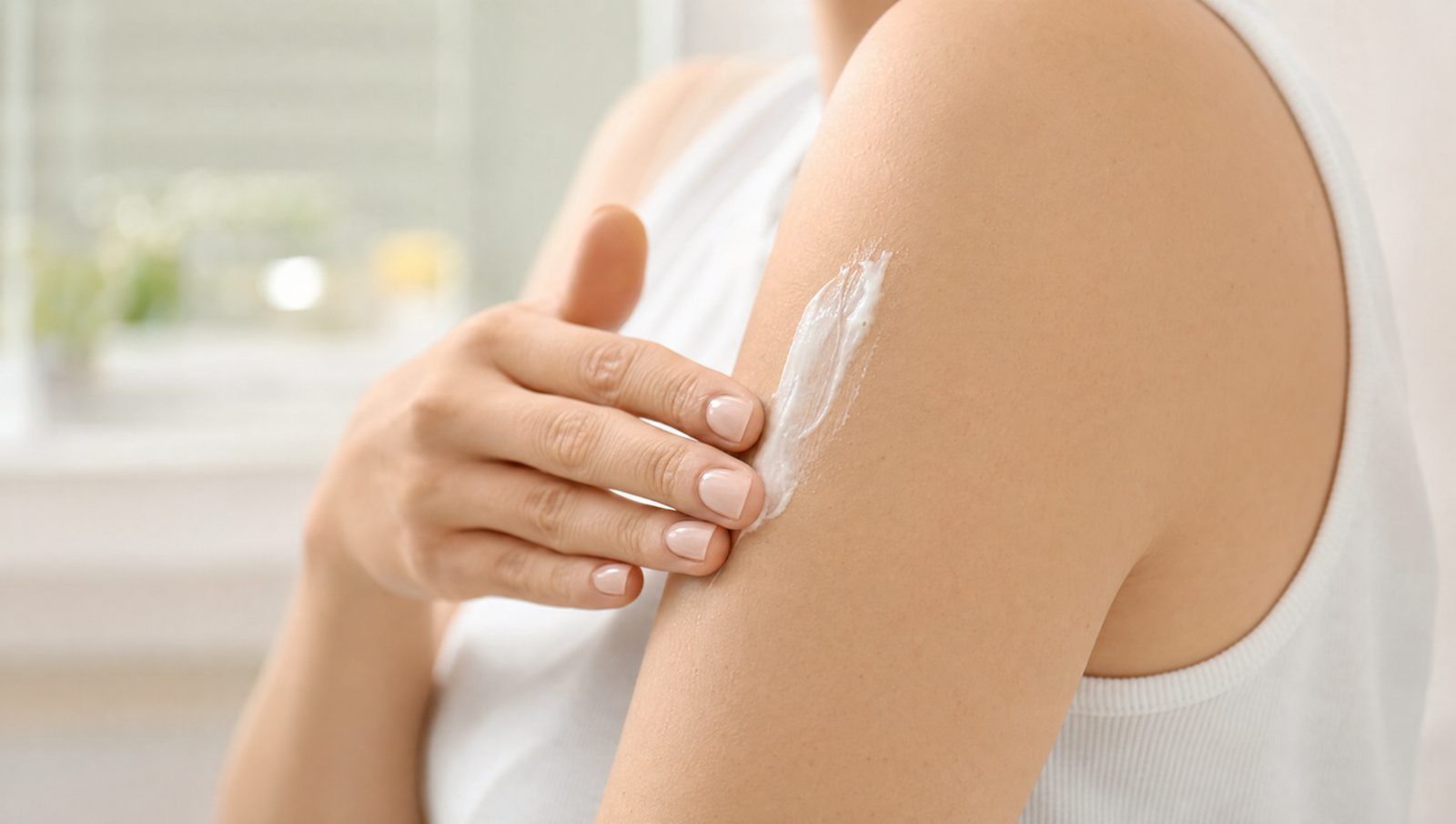
Atopic Dermatitis or Eczema is a common skin disease that lasts for a long time and affects a majority of world’s population at one point of the time or the other. This is not a single disease but a reaction pattern produced by various conditions. This condition is more prevalent in people suffering from hay fever and asthma. In the beginning, it appears as small blisters which later on convert into thickened plaques of skin. If suffering from this condition, it is important to diagnose the kind of eczema you are suffering from to get treated effectively.
What Causes Eczema? No specific cause of eczema has been known till date; however, it is believed that this skin disease develops due to a combination of environmental and hereditary factors. Small kids are likely to develop this skin disease if one or both their parents are suffering from Eczema. Some of the most commonly known causes of eczema include:
Eczema Symptoms Eczema symptoms differ from person to person and no two people can have similar symptoms. While itching is the most common symptom, many people may experience mild to severe itching. Some of the symptoms to look for include:
Over time, the symptoms can become more obvious and the rashes become bumpy, can thicken or darken in color.
Eczema Diagnosis Doctors will suggest you to take up various tests as no single test can be used to diagnose this skin disease. The patient may be advised to visit the doctor multiple times to get correctly diagnosed. Some tests involved to diagnosis the condition include:
Patch test In this test, the doctor places various substances onto the skin surface of the patient to test for skin allergies.
Skin Prick Testing The doctor pricks the skin with a needle containing a small amount of suspected allergen to test for allergies. Various allergens such as food or pollen are used in the needle.
Eczema Treatment The patient should undertake a particular treatment plan to treat the skin disease in the shortest possible time. The doctor may advise you to use topical corticosteroid ointments and creams, apart from systemic corticosteroids, antibiotics, antihistamines, topical calcineurin inhibitors or indulging in phototherapy.
In controlling eczema, you should:
Expertise You Can Trust
Meet Our Expert Team
More than 75 years of combined dermatology and medical experience. Click any provider to read their background.
Disclaimer: This information is provided for educational purposes and is not a substitute for professional medical advice, diagnosis, or treatment. Please schedule a consultation with our team to discuss your individual needs.
Start Here
Reveal Your Best Self
Book your consultation today and learn how our experienced team can support your skin care goals.