
Reduce psoriasis flare-ups and calm irritated skin
Psoriasis care in Brooklyn & Staten Island

Table of Content
- Quick Facts About Psoriasis at kalon Dermatology
- Is Your Psoriasis a Match for kalon Care?
- Psoriasis
- What is psoriasis?
- Read Our Reviews
- What are the types of psoriasis?
- Before & After Our patients’ stunning results
- What can I expect during a psoriasis evaluation?
- Meet Our Expert Team
- What are the treatments for psoriasis?
- Frequently Asked Questions
Quick Facts About Psoriasis at kalon Dermatology
Condition, types, provider, diagnosis, treatments, and when to seek care
Is Your Psoriasis a Match for kalon Care?
Match your psoriasis concern to the right kalon care pathway
Last Updated: May 2026
Psoriasis
Psoriasis is a chronic autoimmune skin condition that benefits from ongoing medical care to improve the health of your skin and reduce flare-ups. At kalon Dermatology, expert providers create personalized plans for psoriasis for Brooklyn and Staten Island residents to help keep the condition under control. Call the office or schedule your psoriasis consultation online today.
What is psoriasis?
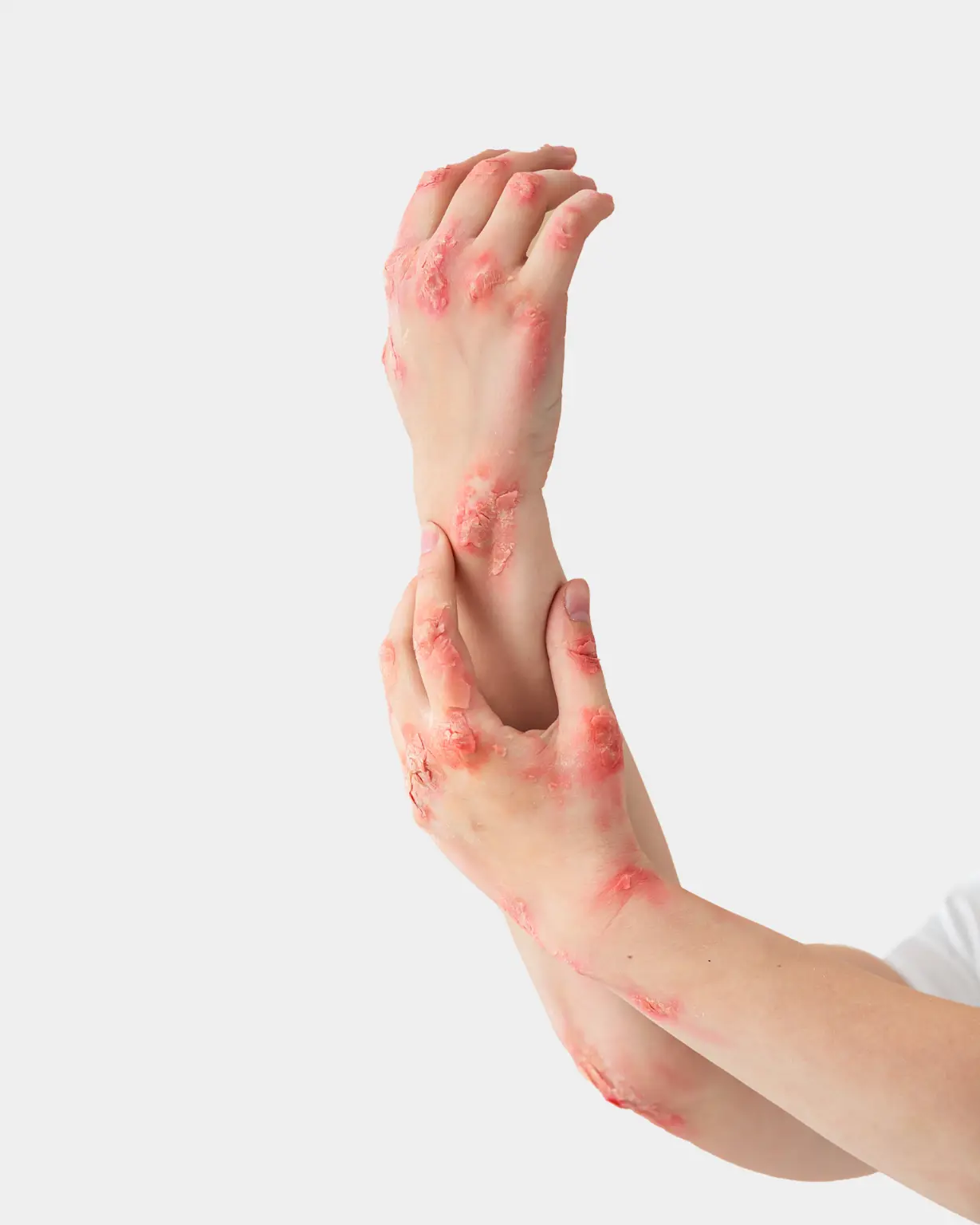
Psoriasis is a skin condition that occurs when there’s an overproduction of skin cells, leading to thick, scaly, itchy patches of skin. Normally, your skin replaces old cells with new cells every few weeks. But with psoriasis, your body makes new skin cells every few days.
The overproduction of skin cells occurs because of an immune system malfunction that triggers the skin cells to grow at a more rapid rate, making psoriasis an autoimmune skin condition.
Reveal Your Best Self
Book your consultation today and learn how our experienced team can support your aesthetic and skin care goals.
Read Our Reviews
Posted onTrustindex verifies that the original source of the review is Google. The service was outstanding, and the office was incredibly clean and well-maintained. The doctor was very thorough, taking the time to answer all of my questions without rushing through the appointment. I felt genuinely cared for and valued as a patient. I would highly recommend this office to anyone looking for top-quality care. 10/10—highly impressed and satisfied!Posted onTrustindex verifies that the original source of the review is Google. Very nice doctor ✨replied to all my questions, did procedure and gave me reception. Amiable and wasn’t in rush 👍🏽 thank you , highly reccomendedPosted onTrustindex verifies that the original source of the review is Google. I love this place it's really nice and clean and they are always so nice but the main reason I come if for Dr.Danny he is the best and very knowledgeable he will recommend whats best and won't try to sell you bs. I would highly recommend him for dermatological and cosmetic services.Posted onTrustindex verifies that the original source of the review is Google. My experience have been amazing Dr. Tatiana Davydova has wealth of experience and expertise she has soft hands i had a few procedures done and the results are amazing Staff is friendly office is clean and nicely decorated I'm glad i found kalon Dermatology
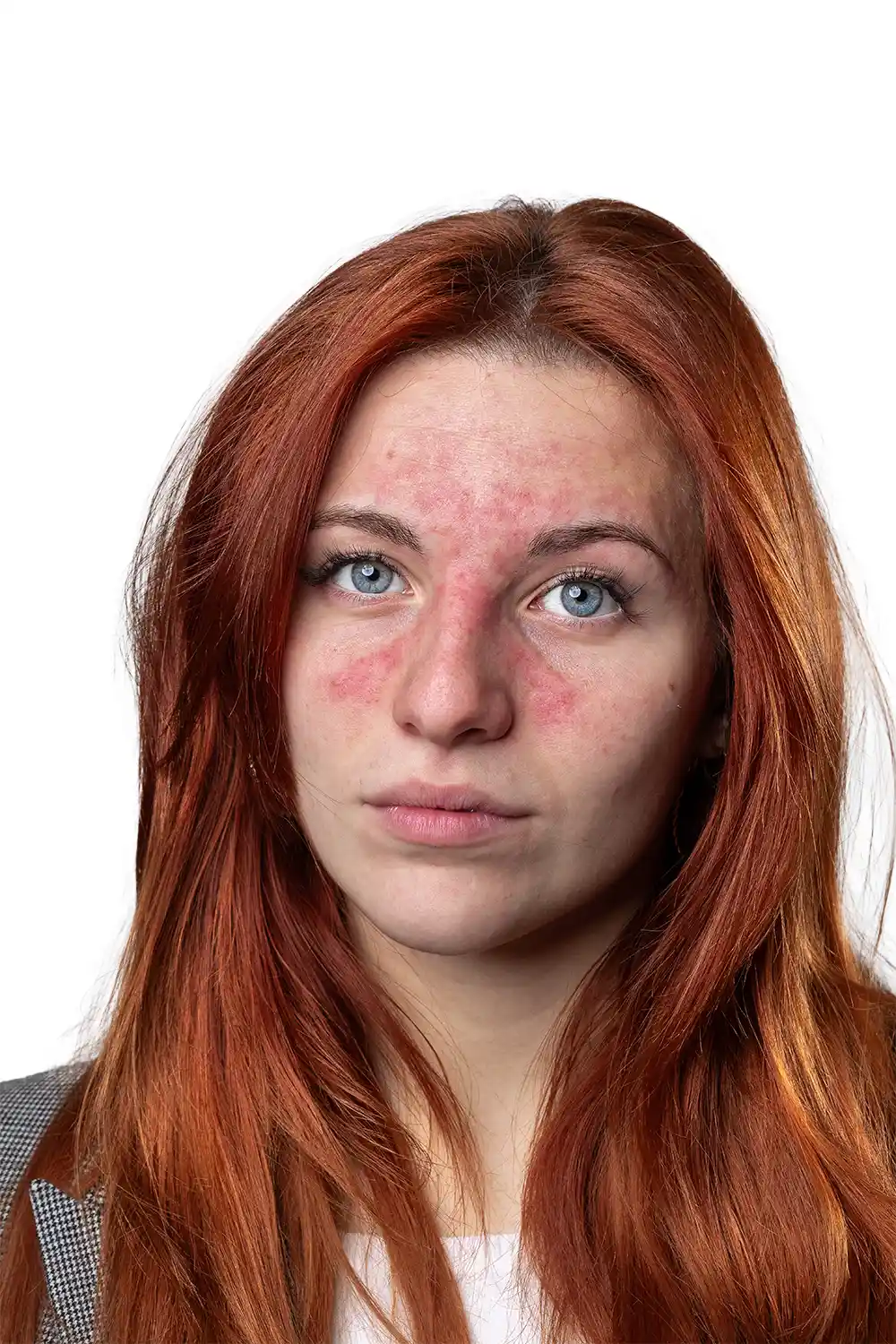
What are the types of psoriasis?
There are many types of psoriasis that can affect different parts of the body. Some of these types include:
Plaque psoriasis
Plaque psoriasis is the most common type, causing raised, red plaques covered with white scales. You can have plaque psoriasis and another type of the autoimmune skin condition.
Inverse psoriasis
Inverse psoriasis causes a flat, red, and painful rash in the folded areas of the skin, like under the arms or in the groin area.
Sebopsoriasis
Sebopsoriasis is a type of psoriasis that affects the scalp, causing a scaly or crusty scalp.
Nail psoriasis
Nail psoriasis causes discoloration and pitting in the fingernails and toenails.
Psoriatic arthritis is also a type of psoriasis that causes joint inflammation and pain.
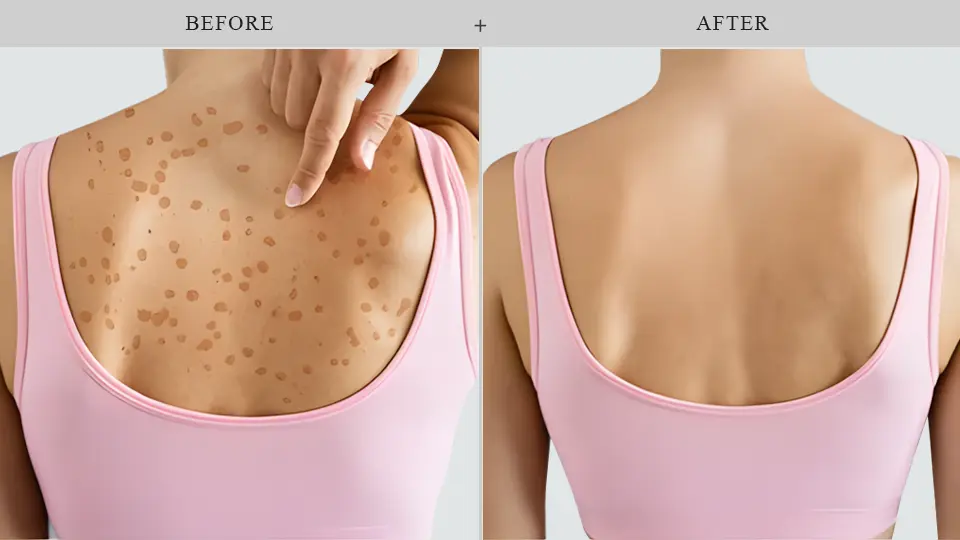
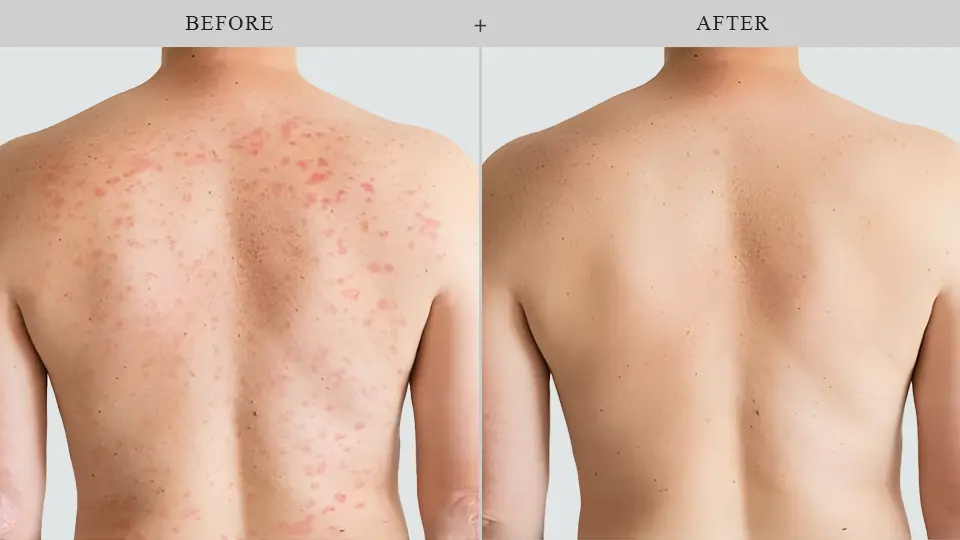
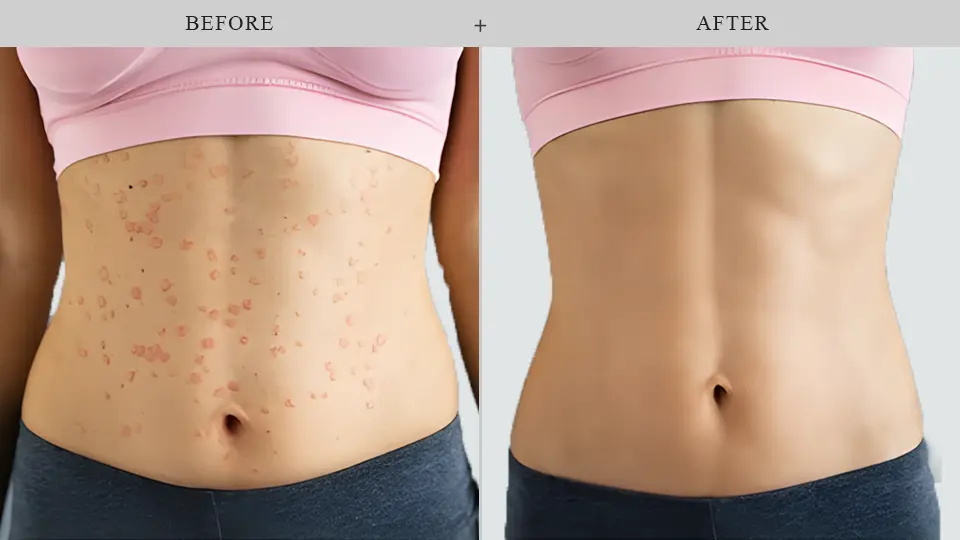
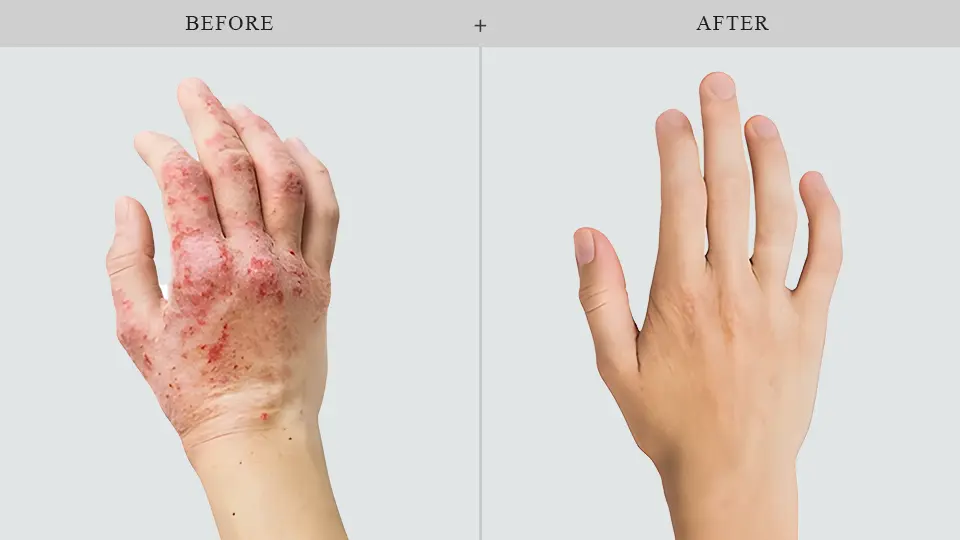
Before & After
Our patients' stunning results
What can I expect during a psoriasis evaluation?
You can expect a patient-centered exam when you visit kalon Dermatology for a psoriasis evaluation. Your provider asks detailed questions about your symptoms and medical history. They also ask about your family history since psoriasis tends to run in families.
Your provider examines your skin and may take a sample of your rash to confirm or rule out psoriasis.
Meet Our Expert Team
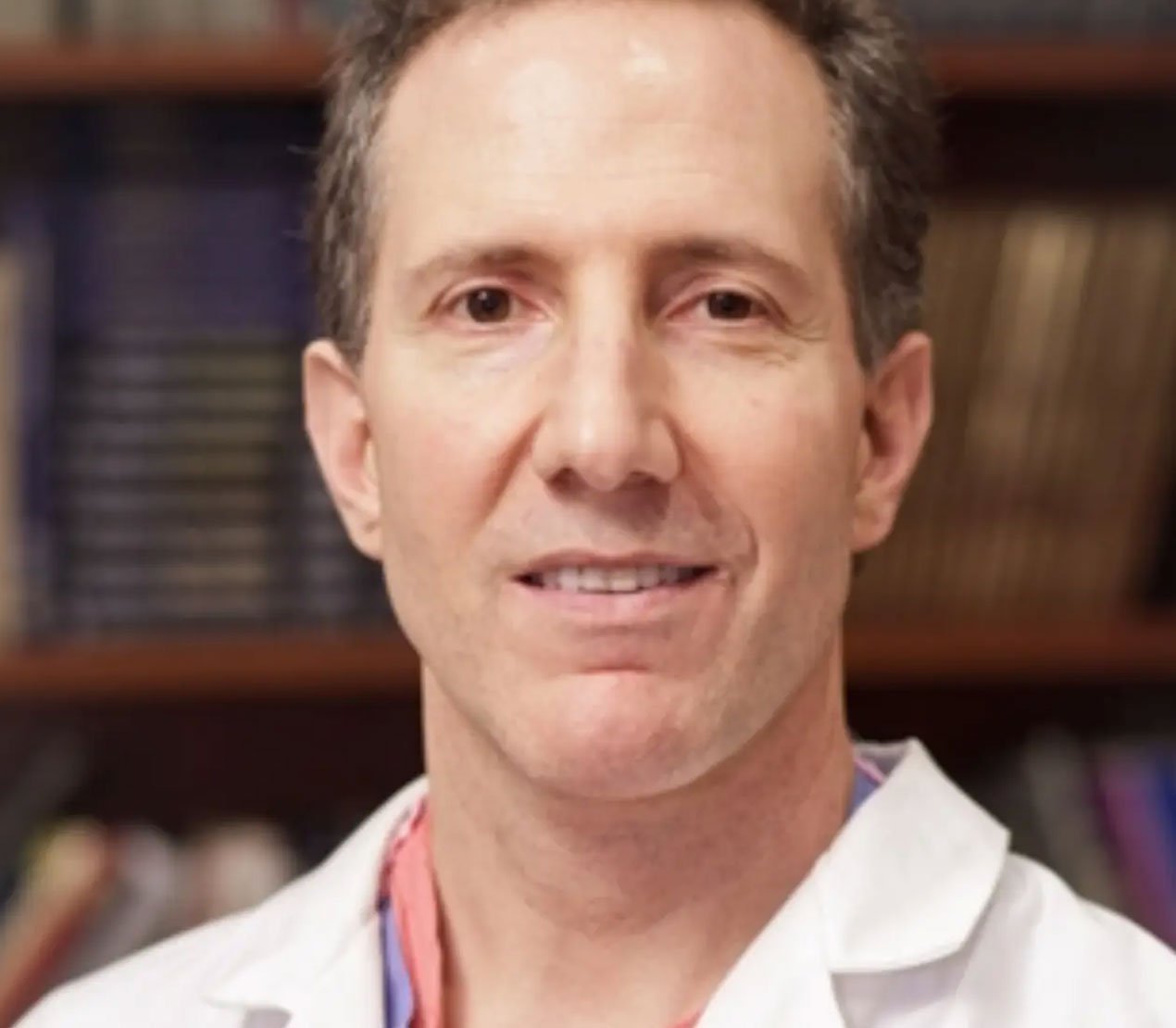
Dr. David Biro, M.D., Ph.D.
Board Certified Dermatologist
Dr. David Biro received his BA from the University of Pennsylvania, his MD from Columbia University, and his PhD from Oxford University. He is an Associate Clinical Professor of Dermatology at SUNY Downstate Health Sciences University.
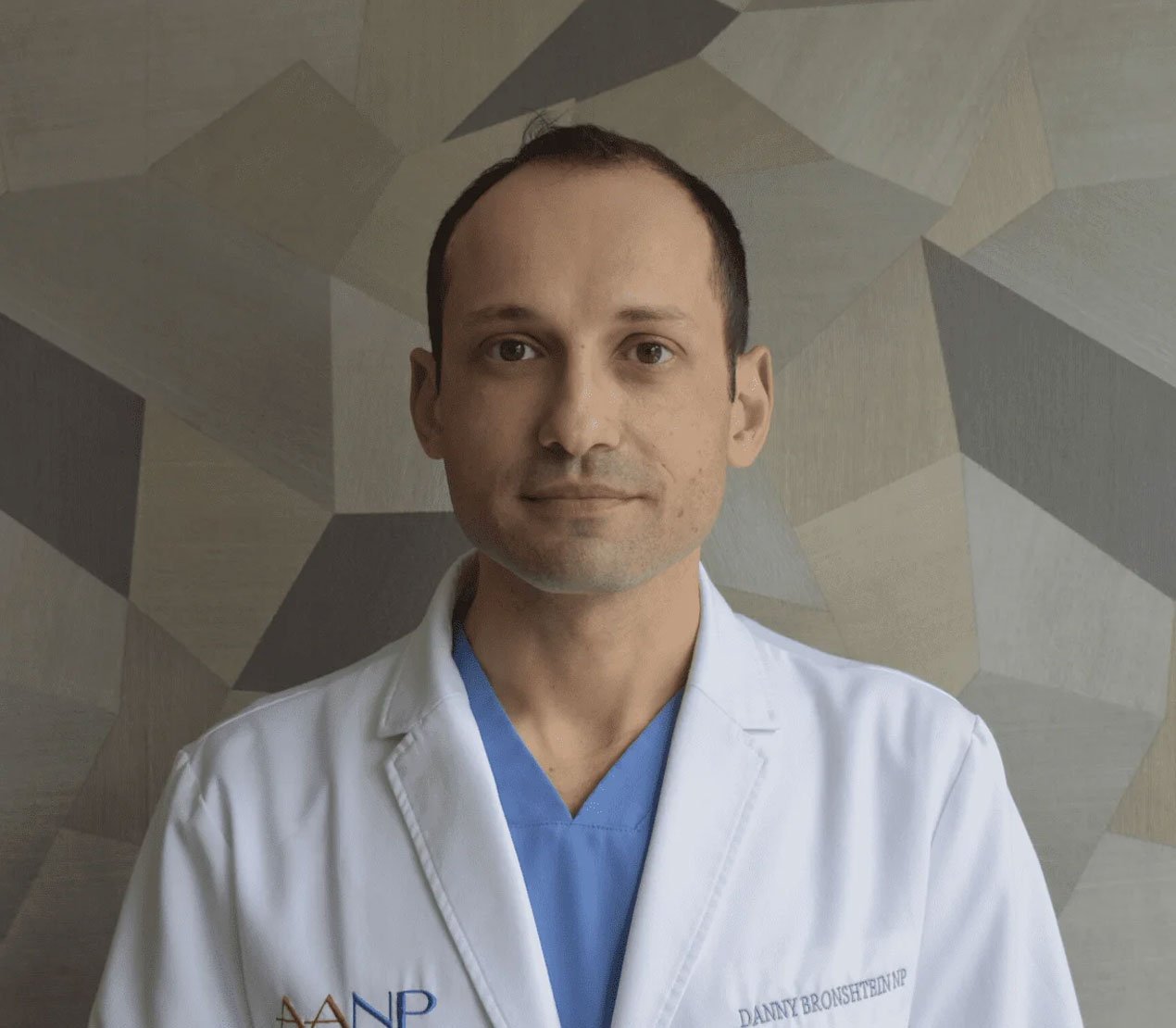
Danny Bronshtein, NP-C, MSN
Nurse Practitioner
Danny Bronshtein is a licensed and board certified Nurse Practitioner; he received his Masters of Science degree from the City University of New York.
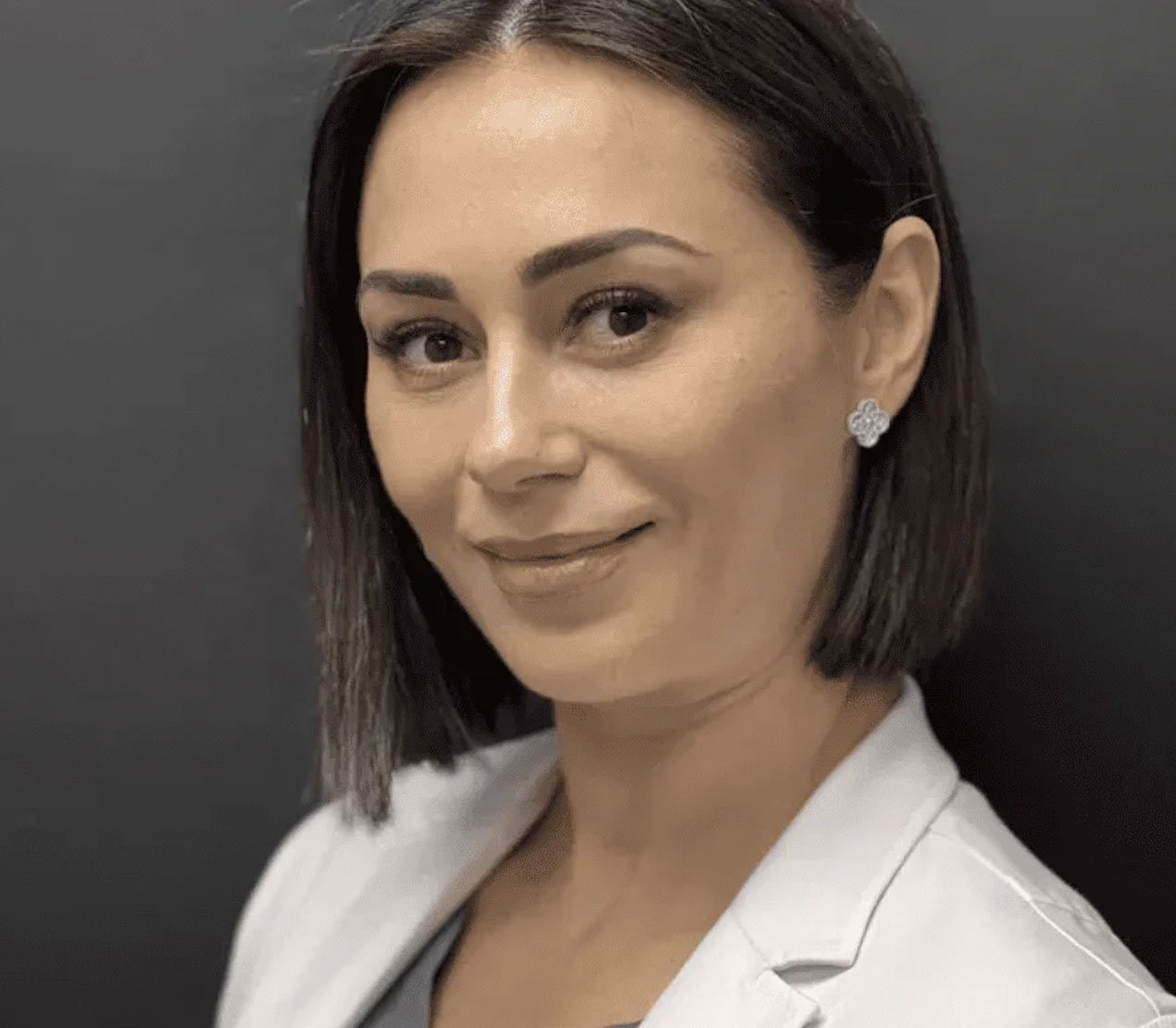
Yelena Terushkin, PA-C, MSPA
Physician Assistant
Yelena Terushkin is a licensed physician assistant in the state of New York and Florida with experience in medical, surgical and cosmetic dermatology.

What are the treatments for psoriasis?
Your provider at kalon Dermatology talks to you about your psoriasis and the treatments that may help keep your skin condition under control, They customize your plan based on psoriasis type and the severity of your symptoms.
Treatment for psoriasis may include:
- Salicylic acid
- Corticosteroid cream
- Calcipotriene (vitamin D cream that slows down skin cell growth)
- Coal tar (reduces itching and flaking)
- Retinoids
- Phototherapy
Stress may trigger your skin condition, and your provider may also talk to you about stress management to reduce flare-ups.
kalon Dermatology offers specialized care for psoriasis for Brooklyn and Staten Island residents. They create personalized treatment plans to help you manage your skin condition effectively. So, call kalon Dermatology or schedule your consultation online today.
Frequently Asked Questions
Common questions about psoriasis treatment at kalon Dermatology
What is psoriasis and is it contagious?
Psoriasis is a chronic autoimmune condition where the immune system mistakenly speeds up the skin cell life cycle. Cells build up rapidly on the surface, forming scales and red patches that can be itchy and sometimes painful. It is not contagious. You cannot catch it from touching someone who has it. It’s driven by internal immune system activity, not by any external agent that can be passed between people.
What does psoriasis look like?
The most common form, plaque psoriasis, appears as raised, red patches covered with thick, silvery-white scales. These plaques often appear on the elbows, knees, scalp, and lower back. Other types include guttate psoriasis (small drop-shaped lesions), inverse psoriasis (smooth red patches in skin folds), pustular psoriasis (white pustules surrounded by red skin), and erythrodermic psoriasis (widespread red, peeling skin). About 30% of people with psoriasis also develop psoriatic arthritis, affecting the joints.
What treatments are available for psoriasis?
Treatment depends on how much of the body is affected and how severe the symptoms are. Mild to moderate psoriasis is often managed with topical corticosteroids, vitamin D analogs, or retinoids. Moderate to severe cases may be treated with phototherapy (UV light therapy), methotrexate, cyclosporine, or biologics that target specific immune pathways. Newer oral medications called JAK inhibitors are also available. A dermatologist will help you find the right level of treatment for your situation.
Can diet affect psoriasis?
Diet alone won't cure psoriasis, but it can influence inflammation levels in the body. Some patients find that reducing alcohol, refined sugars, and processed foods helps lower flare frequency. A gluten-free diet helps a subset of patients, particularly those with concurrent celiac disease. Maintaining a healthy weight also matters, as obesity is associated with more severe psoriasis and can reduce how well some treatments work. Your dermatologist can advise on evidence-based lifestyle adjustments alongside medical treatment.
Is psoriasis linked to other health conditions?
Yes. Psoriasis is associated with several systemic conditions beyond the skin. Psoriatic arthritis affects roughly 30% of patients and can cause significant joint damage if untreated. People with psoriasis also have higher rates of cardiovascular disease, metabolic syndrome, type 2 diabetes, and inflammatory bowel disease. These associations mean managing psoriasis is about more than skin appearance. Your dermatologist will factor in your overall health picture when recommending treatment.